Turn on cookies to sign in
Signing in saves your progress to your Curie account. We can only do that with cookies on — turn them on to continue.
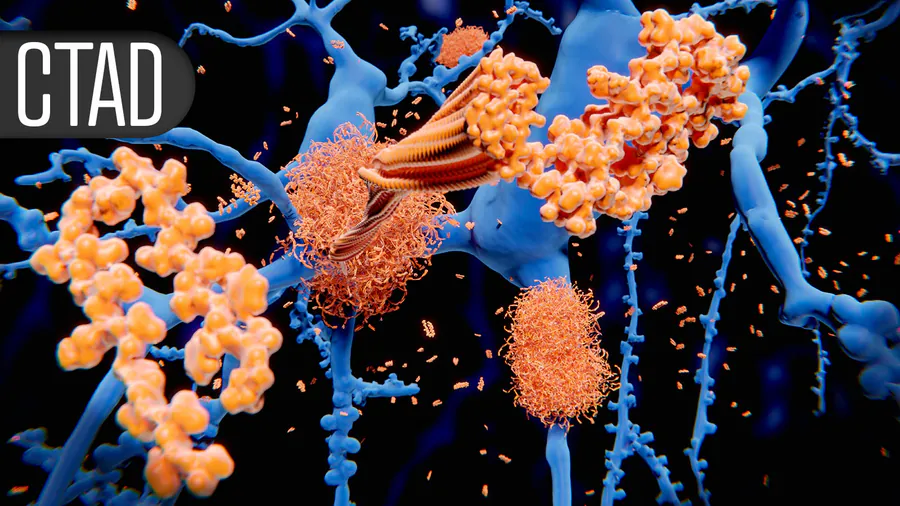
A blood test could finally detect CTE in living patients — and researchers are calling it a "game changer." A new study found that blood levels of a protein called eMTBR-tau were significantly higher in former football players with CTE than those without it. Currently, CTE can only be confirmed after death, so a reliable living biomarker could open the door to clinical trials and future treatments.
For the first time, researchers may have found a way to diagnose chronic traumatic encephalopathy (CTE) while patients are still alive — a major breakthrough for a disease that has long been diagnosable only at autopsy. A study of 21 former American football players found that blood levels of a protein called eMTBR-tau were significantly elevated in those with CTE compared to those without it, with the highest levels seen in players who also had Alzheimer's pathology. The findings were published in JAMA and presented at the Clinical Trials on Alzheimer's Disease conference in Boston.
A parallel case-control study from Washington University in St. Louis, also published in JAMA, confirmed that a closely related marker — eMTBR-tau243 — was elevated in late-stage CTE and other tauopathies, lending further credibility to the biomarker's potential.
By the Numbers:
Why it matters: CTE affects athletes, military veterans, and others with histories of repetitive head trauma, but without a way to diagnose it in life, treatment trials have been impossible. A validated blood biomarker could transform how CTE is detected, studied, and ultimately treated.