Turn on cookies to sign in
Signing in saves your progress to your Curie account. We can only do that with cookies on — turn them on to continue.
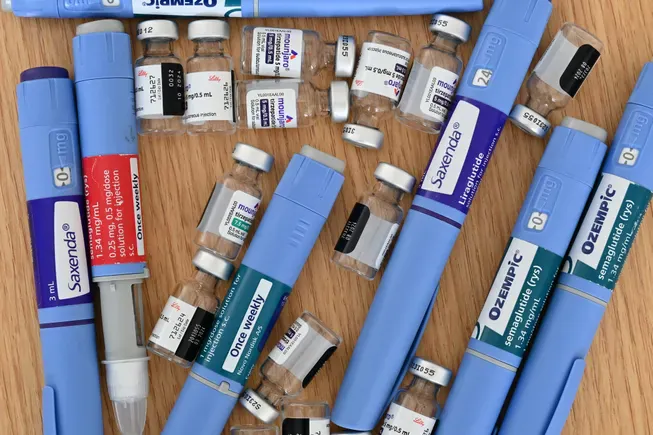
Millions of Americans have turned to compounded GLP-1s as a cheaper alternative to brand-name weight loss drugs — but the FDA is cracking down. At the HLTH conference, experts clashed over whether the booming compounding industry is a patient access lifeline or a regulatory Wild West. The FDA has already sent dozens of warning letters to telehealth companies and is now proposing to permanently ban large-scale compounding of semaglutide and tirzepatide.
A massive compounding industry has grown up around GLP-1 weight loss drugs, with telehealth companies delivering custom formulations directly to consumers for a few hundred dollars a month — far below the $1,000+ list price of brand-name drugs like Wegovy and Zepbound. The FDA originally permitted compounding during a drug shortage starting in 2022, but reimposed restrictions in late 2024 and early 2025. Many companies have since found workarounds, tweaking ingredients or delivery methods to argue their products are legally distinct.
At the HLTH conference in Las Vegas, the debate came to a head. Proponents say compounding improves access, allows for customized dosing, and helps patients who can't afford or tolerate brand-name options. Critics — including the CMO of CVS — warn that compounded drugs lack FDA oversight, raising real risks of contamination, dosing errors, and misleading labeling. The FDA has now proposed permanently banning semaglutide, tirzepatide, and liraglutide from large-scale compounding pharmacies.
By the Numbers:
Why it matters: If the FDA's proposed ban is finalized, millions of patients could lose access to affordable GLP-1 therapy — and some may turn to even less regulated sources. The outcome will shape the future of telehealth-driven drug access and set a precedent for how unproven therapies are marketed directly to consumers.