Turn on cookies to sign in
Signing in saves your progress to your Curie account. We can only do that with cookies on — turn them on to continue.
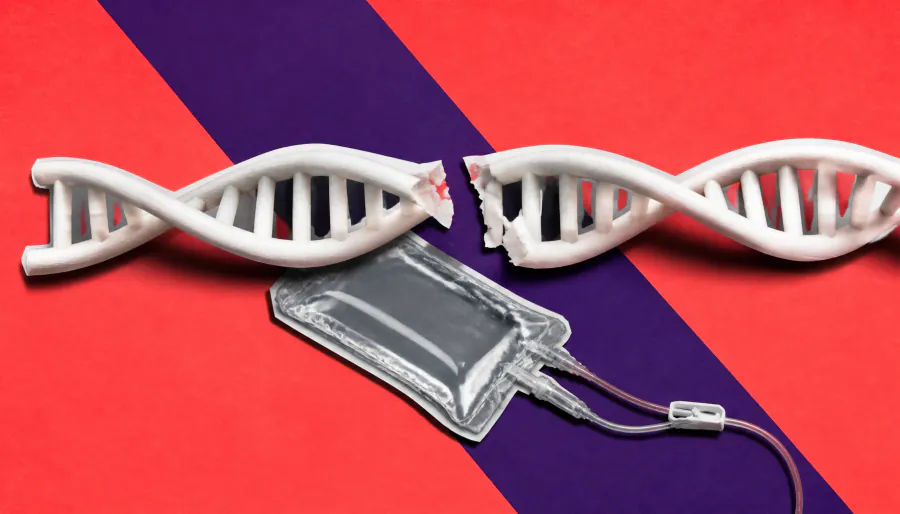
Cancer immunotherapies rely on healthy T cells — but the tumor environment and treatments themselves can damage T cell DNA, undermining their effectiveness. A new review maps how this damage occurs across different T cell subtypes and proposes smarter strategies to protect T cells without blunting tumor-killing power. The findings could reshape how oncologists design and sequence cancer treatment regimens.
Cancer immunotherapies like immune checkpoint blockers (ICBs) and CAR T cell therapy depend on T cells being in fighting shape — but a new review published in Cancer Biology & Medicine reveals that T cells themselves are frequently damaged by the very environment and treatments meant to fight cancer. Researchers from leading Chinese institutions synthesized evidence showing that DNA damage in T cells is a spectrum, not a single event, and that different T cell subtypes vary widely in their vulnerability and repair capacity.
The tumor microenvironment (TME) is a hostile place for T cells: reactive oxygen species, glucose competition, nitric oxide from regulatory T cells, and treatments like chemotherapy and radiation all inflict DNA lesions. Exhausted T cells show the highest levels of DNA damage markers, while stem cell-like memory T cells fare best. Downstream effects include reduced cytokine production, impaired memory formation, and increased expression of exhaustion markers like PD-1 and TIM-3.
Key Takeaways:
Why it matters: Optimizing tumor-killing regimens without accounting for T cell health may be undermining durable responses. This framework urges trial designers to treat immune cell integrity as a core outcome, not an afterthought.