Turn on cookies to sign in
Signing in saves your progress to your Curie account. We can only do that with cookies on — turn them on to continue.
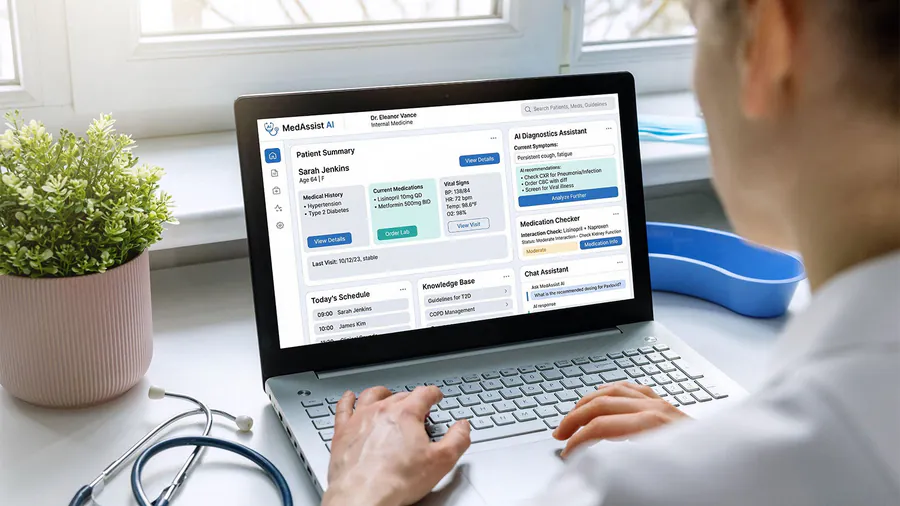
Doctors are drowning in documentation — but AI might be the lifeline. A primary care physician makes the case for ambient AI tools that listen in on patient visits, auto-populate notes, enter orders, and handle administrative tasks, all without removing the physician from the loop. The goal: a smarter, more efficient, and more human healthcare system.
Physicians spend a staggering amount of time on documentation — and a lot of it is templated, repetitive, and frankly, not written to be read. In a candid opinion piece, Dr. Fred Pelzman describes discovering a pre-built specialist note in a patient's chart, complete with placeholder stars where the actual clinical details would eventually go. It's a revealing snapshot of how documentation has become more about box-checking than meaningful communication.
Rather than just lamenting the problem, Pelzman points to AI as the fix. Tools like ambient listening — which converts doctor-patient conversations into structured clinical notes in real time — are already in use. He envisions going further: AI that simultaneously enters lab orders as they're verbally mentioned, generates patient after-visit summaries, handles prescription refills, and flags anything a clinician might have missed, all without ever practicing medicine autonomously.
Key Takeaways:
Why it matters: Physician burnout is closely tied to administrative overload. AI tools that handle the rote work — without replacing clinical judgment — could give doctors more time for patients and reduce errors caused by cluttered, unreadable records.