Turn on cookies to sign in
Signing in saves your progress to your Curie account. We can only do that with cookies on — turn them on to continue.
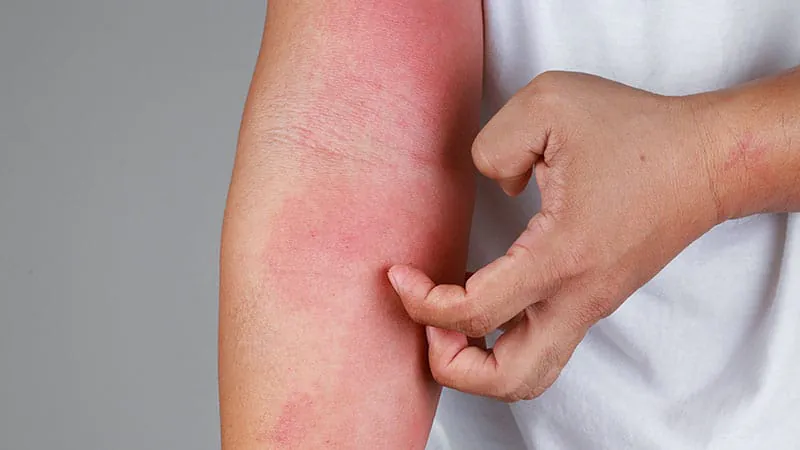
Children with atopic dermatitis (eczema) face 28% higher odds of sleep disturbance compared to those without the condition, according to a large retrospective study. Importantly, having other allergic conditions or mental health diagnoses didn't change this relationship. Researchers say clinicians should routinely screen for sleep issues in kids with eczema — because families often don't bring it up on their own.
Children with atopic dermatitis (eczema) are significantly more likely to struggle with sleep than their peers without the condition — and that risk holds steady regardless of whether they also have asthma, allergies, or mental health conditions. That's the key finding from a large retrospective study presented at the ACAAI Annual Scientific Meeting in Phoenix.
Researchers analyzed over 26,000 pediatric patients (ages 0–21) from an urban, medically underserved primary care clinic — a population historically underrepresented in clinical research. They found that kids with atopic dermatitis had 28% higher odds of experiencing sleep disturbance, a link that remained statistically significant even after accounting for comorbidities.
By the Numbers:
Why it matters: Sleep problems can quietly undermine a child's behavior, development, and quality of life — and they often go unmentioned during clinic visits. This study is a reminder that treating eczema means looking beyond the skin, and that a few simple questions about sleep could make a meaningful difference for kids and families.