Turn on cookies to sign in
Signing in saves your progress to your Curie account. We can only do that with cookies on — turn them on to continue.
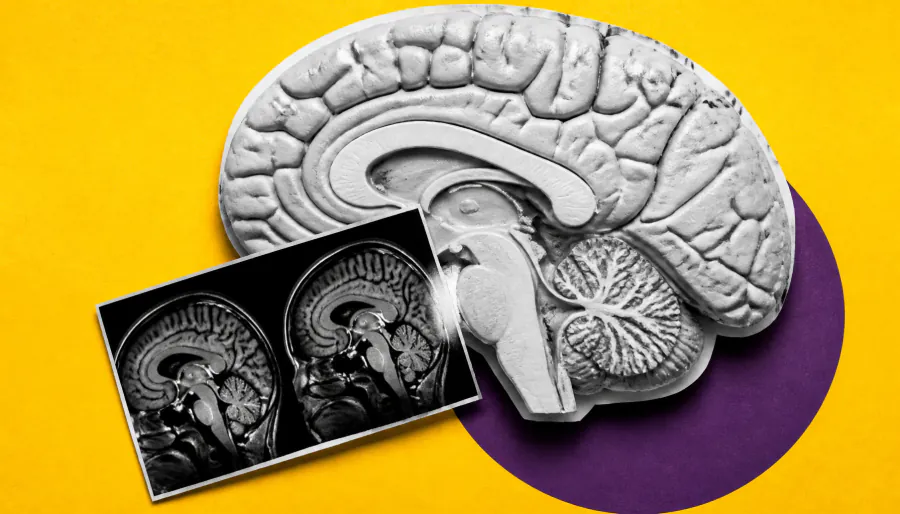
Forget the hippocampus — two other brain regions may hold the earliest clues to Alzheimer's. Johns Hopkins researchers found that the entorhinal cortex and amygdala begin shrinking years before the hippocampus does, potentially flagging Alzheimer's risk up to a decade before memory symptoms appear. The changes are tied to abnormal tau protein buildup, opening a new window for early intervention.
Doctors have long focused on the hippocampus when scanning for early signs of Alzheimer's — but new research from Johns Hopkins University suggests they may want to look a little further. Scientists found that the entorhinal cortex and amygdala, two brain regions involved in memory and emotion, begin losing tissue earlier than the hippocampus, potentially revealing Alzheimer's risk up to a decade before any symptoms emerge.
The findings, published in NeuroImage Reports and presented at Neuroscience 2026, were drawn from hundreds of MRI and PET scans across two major research initiatives. Researchers observed consistent early shrinkage in these two regions across participants at various stages of disease — and found that the tissue loss overlapped with areas showing abnormal tau protein accumulation, a hallmark of Alzheimer's.
Key Takeaways:
Why it matters: Earlier detection means earlier treatment — and in Alzheimer's, timing is everything. If these brain regions can reliably signal disease years in advance, it could transform how doctors identify and intervene in at-risk patients long before irreversible damage sets in.