Turn on cookies to sign in
Signing in saves your progress to your Curie account. We can only do that with cookies on — turn them on to continue.
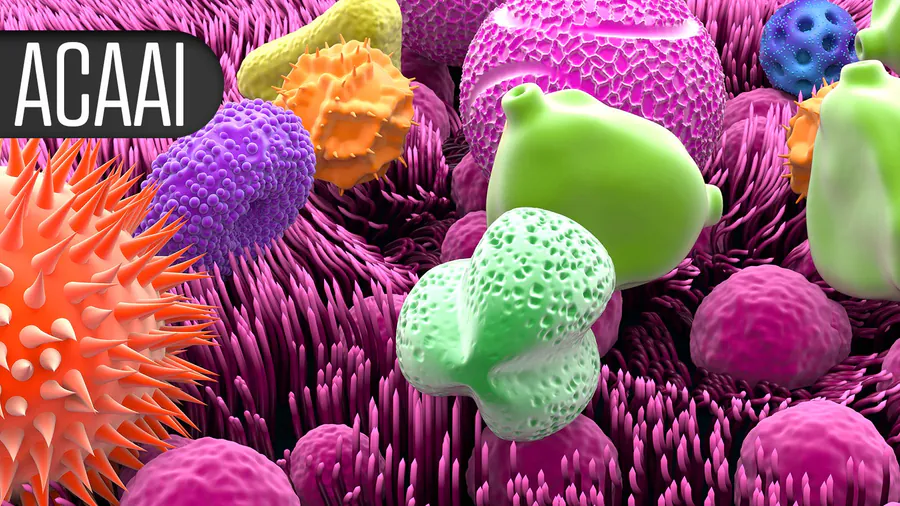
Could treating a food-tube allergy early actually prevent asthma? A new observational study suggests that young children with eosinophilic esophagitis (EoE) who received dupilumab before age 6 were nearly half as likely to develop asthma compared to those treated with budesonide. Researchers say the findings hint that early biologic therapy may interrupt the "atopic march" — the tendency for allergic conditions to snowball over time.
Could treating a food-tube allergy early actually prevent asthma? A new observational study suggests yes — at least for some kids. Researchers found that young children with eosinophilic esophagitis (EoE) who received dupilumab (Dupixent) before age 6 were significantly less likely to develop asthma over the following 3.5 years compared to those treated with oral budesonide. The findings were presented at the American College of Allergy, Asthma & Immunology (ACAAI) annual meeting.
The study, led by Dr. Kayla Steinberger of West Virginia University, drew on data from over 140 million patient records. The hypothesis: dupilumab's blockade of IL-4/IL-13 signaling — the root driver of type 2 inflammation — may suppress the underlying immune dysfunction that fuels multiple allergic conditions, not just EoE. Researchers caution, however, that the retrospective observational design limits causal conclusions, and prospective trials are needed to confirm the signal.
By the Numbers:
Why it matters: This is early, hypothesis-generating data — not a clinical directive — but it opens a compelling question: can targeting upstream immune pathways in infancy reshape a child's allergic future? The findings provide a strong rationale for prospective trials exploring whether early biologic intervention can modify the natural history of type 2 inflammatory disease.