Turn on cookies to sign in
Signing in saves your progress to your Curie account. We can only do that with cookies on — turn them on to continue.
School staff are better prepared for allergy and asthma emergencies after a hands-on educational intervention, new research shows. Among nonclinical staff, recognition of epinephrine as the first-line treatment for anaphylaxis jumped from 57% to 89%. Researchers say the findings highlight a critical gap in school preparedness — and that partnering with allergists can help bridge it.
As food allergies and asthma become more common in children, classroom emergencies are rising — but many school staff still feel underprepared to handle them. A new study presented at the American College of Allergy, Asthma & Immunology Annual Scientific Meeting found that a structured educational intervention significantly boosted both knowledge and confidence among school personnel.
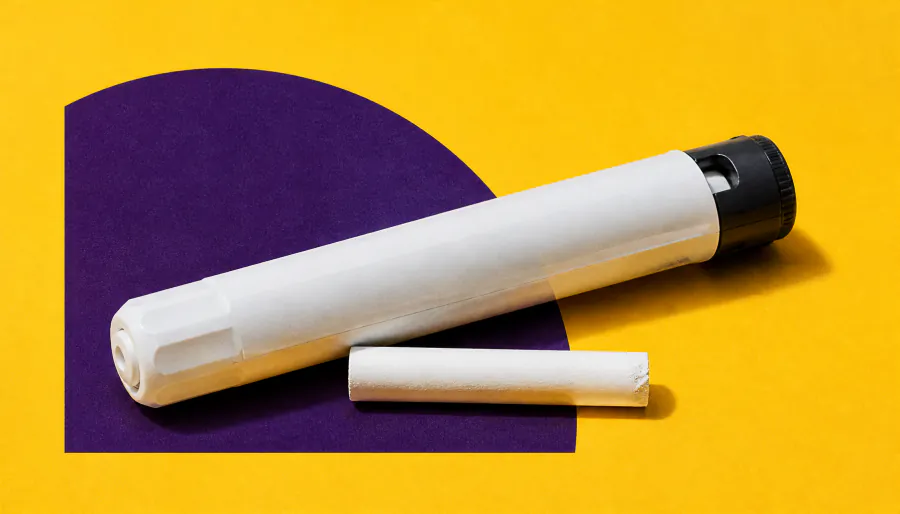
The program included 72 nonclinical staff (teachers and administrators) and 168 school nurses. It combined a visual presentation on recognizing anaphylaxis and asthma emergencies with hands-on practice using epinephrine autoinjector trainers, intramuscular training models, and metered dose inhalers with spacers.
By the Numbers:
Why it matters: Despite mandated training, many schools — especially urban ones — still lack the resources and skills to manage life-threatening allergic reactions. This study suggests that even a single hands-on session can make a meaningful difference, though researchers caution that annual one-time training may not be enough for lasting preparedness.