Turn on cookies to sign in
Signing in saves your progress to your Curie account. We can only do that with cookies on — turn them on to continue.
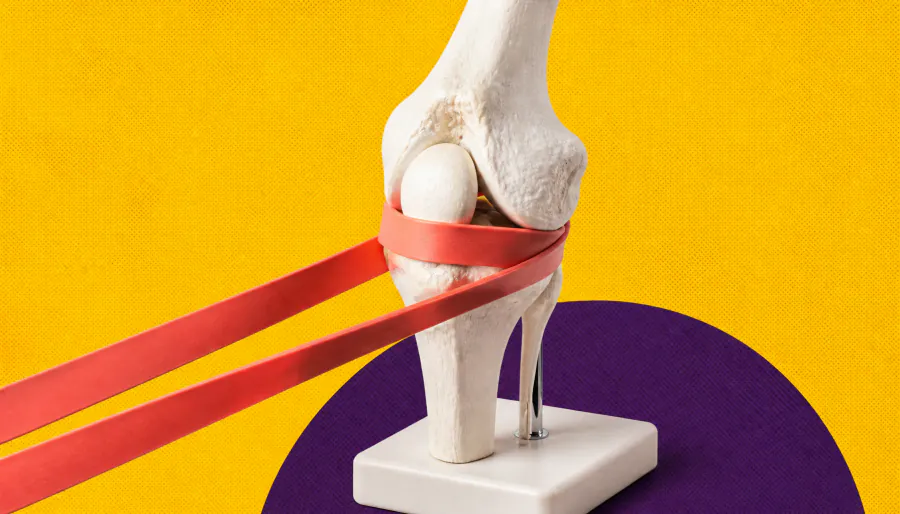
Working out after ACL surgery won't wreck your knees — it might actually save them. A clinical trial found that a four-month supervised exercise and education program improved pain, muscle strength, and quality of life in young adults recovering from ACL reconstruction, without damaging knee cartilage. The findings could reshape rehab guidelines for the nearly half of ACL patients who develop early-onset osteoarthritis.
Working out after ACL surgery won't wreck your knees — it might actually save them.
A clinical trial from La Trobe University's SUPER-Knee study found that a four-month physiotherapist-supervised exercise and education program significantly improved outcomes for young adults still struggling one to three years after ACL reconstruction. The 184 participants, aged 18–40, saw meaningful gains in knee health, muscle strength, pain levels, and quality of life — all without any evidence of accelerated cartilage damage or worsening early osteoarthritis. That's a significant finding, given that concerns about exercise harming vulnerable knee cartilage have long held back more aggressive rehab approaches.
The results, published in Annals of Internal Medicine, challenge the status quo and could prompt updates to international clinical practice guidelines for post-ACL rehabilitation.
Key Takeaways:
Why it matters: ACL injuries are common — especially among young athletes — and the long-term consequences are often underestimated. This study offers clinicians a safe, evidence-backed tool to improve outcomes well beyond the standard recovery window.