Turn on cookies to sign in
Signing in saves your progress to your Curie account. We can only do that with cookies on — turn them on to continue.
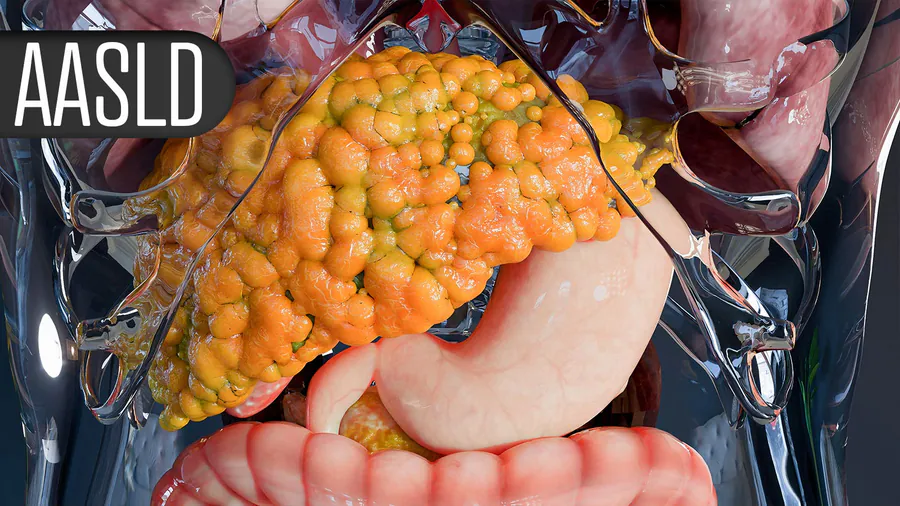
A GLP-1 drug is showing real promise for alcohol use disorder. The investigational drug pemvidutide significantly cut heavy drinking days in patients with moderate-to-severe alcohol use disorder (AUD) in a phase II trial. By week 24, 42% of patients on the drug had zero heavy drinking days — more than double the placebo rate — offering a potential new tool for a condition with very few treatment options.
A new GLP-1-based drug could be a game-changer for alcohol use disorder. The phase II RECLAIM trial found that pemvidutide — a glucagon/GLP-1 dual receptor agonist — significantly reduced heavy drinking days (HDDs) per week compared to placebo in patients with moderate-to-severe AUD. Presented at the American Association for the Study of Liver Diseases (AASLD) annual meeting, the results suggest GLP-1 drugs may tap into the brain's reward system to curb alcohol cravings, in addition to their known gut effects.
What made researchers especially excited was the drug's impact on phosphatidylethanol (PEth) — an objective, self-report-independent biomarker of alcohol consumption. Pemvidutide drove PEth levels down sharply, while the placebo group actually saw a slight increase, hinting that placebo patients may have underreported their actual drinking.
By the Numbers:
Why it matters: With nearly 28 million Americans affected by AUD and only a small fraction accessing existing treatments, pemvidutide could fill a critical gap — while also offering liver and metabolic benefits.