Turn on cookies to sign in
Signing in saves your progress to your Curie account. We can only do that with cookies on — turn them on to continue.
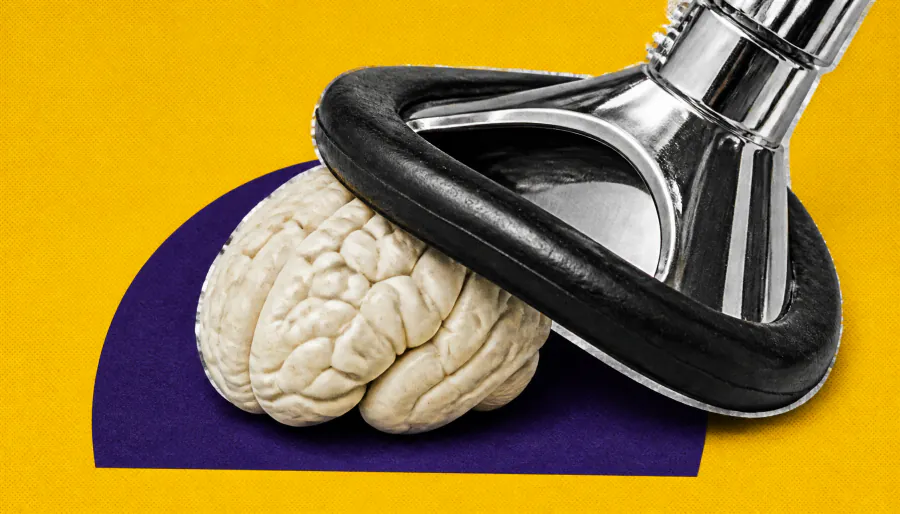
Putting kids under before age 3 may have lasting brain effects. A large South Korean study found that children exposed to general anesthesia before age 3 had a 19% higher risk of developing neurodevelopmental disorders (NDDs) like ADHD and autism by adolescence. The risks were even steeper for intellectual disability and autism spectrum disorder.
A major population-based study out of South Korea is raising new concerns about the long-term effects of early childhood anesthesia. Researchers found that children exposed to general anesthesia (GA) before age 3 had a 19% higher risk of being diagnosed with a neurodevelopmental disorder (NDD) by adolescence compared to unexposed peers — with risks climbing even higher for specific conditions like intellectual disability and autism spectrum disorder (ASD).
The study, published in the Journal of Anesthesia, tracked over 1.1 million children born between 2005 and 2007 using South Korea's national health insurance database, with up to 15 years of follow-up. Notably, longer anesthesia duration and greater surgical complexity were both tied to progressively higher NDD risk.
By the Numbers:
Why it matters: These findings add to a growing body of evidence suggesting early anesthesia exposure may affect developing brains. While the study cannot prove causation, clinicians and families may want to carefully weigh the timing and necessity of elective procedures in very young children.