Turn on cookies to sign in
Signing in saves your progress to your Curie account. We can only do that with cookies on — turn them on to continue.
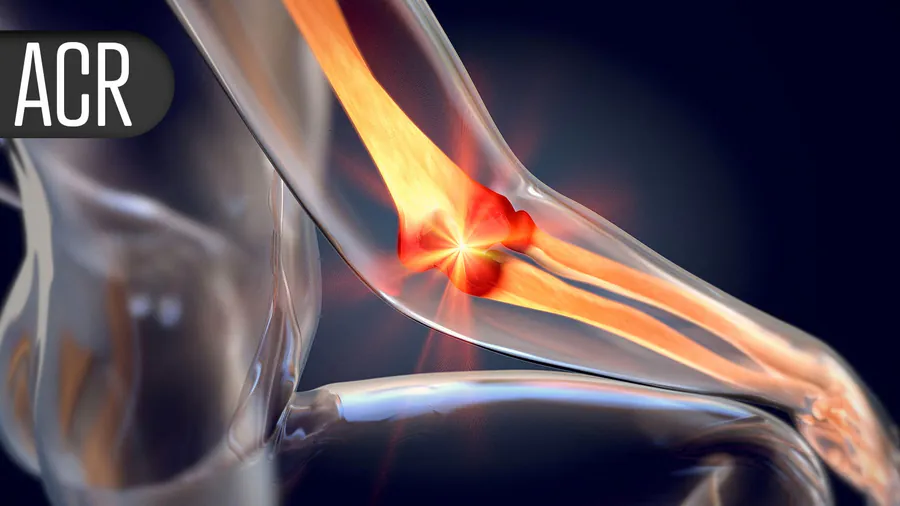
Women with RA have a rougher time through menopause — and vice versa. A Mayo Clinic study found that RA patients reported significantly higher menopause symptom burdens than those without the condition, with somatic symptoms like hot flashes, joint pain, and sleep disturbance hitting especially hard. Researchers say rheumatologists need to start asking their patients about menopause.
Women with rheumatoid arthritis (RA) face a notably harder menopause transition than those without the condition, according to new research presented at the American College of Rheumatology's annual meeting. Using the Menopause Rating Scale (MRS), researchers from Mayo Clinic found that RA patients scored higher on symptom severity and were far more likely to report a clinically significant symptom burden — suggesting the two conditions compound each other in a meaningful way.
The overlap is tricky: fatigue, joint pain, sleep disturbance, and mood changes are hallmarks of both RA and menopause, making it hard to untangle which condition is driving the suffering. Notably, somatic symptoms — including hot flashes — were disproportionately worse in RA patients, not just joint-related complaints. Meanwhile, a prior British survey found that 93% of RA patients said their rheumatology teams never asked about menopause at routine visits.
By the Numbers:
Why it matters: Most rheumatologists aren't asking their RA patients about menopause — and this study suggests they should be. Recognizing the menopause-RA interaction could open the door to better, more holistic symptom management for women navigating both conditions simultaneously.