Turn on cookies to sign in
Signing in saves your progress to your Curie account. We can only do that with cookies on — turn them on to continue.
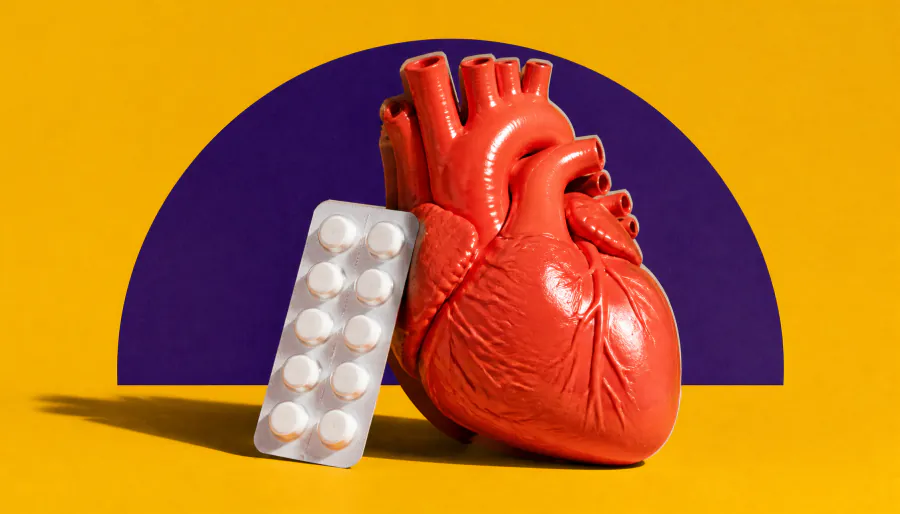
A large long-term study found that modern menopausal hormone therapy (HT) does not raise the risk of heart attack, stroke, blood clots, or death in women aged 45–59. Crucially, oral formulations were just as safe as transdermal and gel options. The findings reinforce that HT should be used to treat menopausal symptoms — not as a cardiovascular prevention strategy.
A major long-term study presented at the American Heart Association Scientific Sessions has delivered reassuring news: contemporary menopausal hormone therapy does not increase the risk of heart attack, stroke, blood clots, or death in women aged 45 to 59. The findings come on the heels of the FDA's November 2025 removal of the black box warning from HT products — a move that has sparked a surge in women requesting the therapy, sometimes with the expectation that it will actively protect their hearts.
Researchers analyzed a matched cohort of over 52,000 women across 12 years of follow-up, finding no meaningful differences in cardiovascular or mortality outcomes between HT users and non-users. Notably, oral formulations performed just as well as transdermal and gel preparations — a finding that challenges prior assumptions about the superiority of non-oral routes.
By the Numbers:
Why it matters: These results help put to rest the long shadow of the Women's Health Initiative, which led many clinicians and patients to abandon HT entirely. Clinicians now have robust, real-world data to counsel patients: HT is safe for symptom management in appropriate candidates, but it is not a cardiovascular prevention tool.