Turn on cookies to sign in
Signing in saves your progress to your Curie account. We can only do that with cookies on — turn them on to continue.
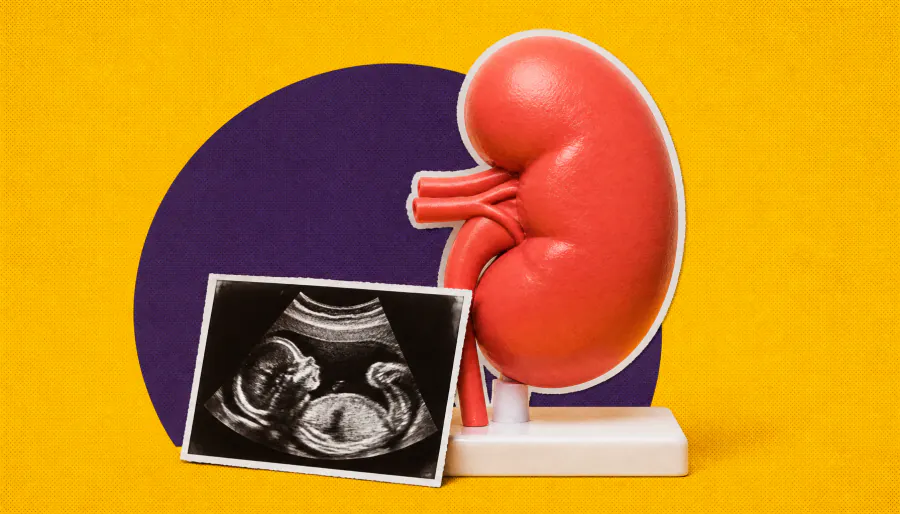
Could a difficult pregnancy predict autoimmune disease? A large Norwegian study found that preeclampsia, emergency C-sections, and shorter pregnancies were linked to a higher risk of developing lupus later in life, while higher pre-pregnancy BMI was tied to future rheumatoid arthritis. Researchers say pregnancy may offer a valuable window into women's long-term health.
Could a difficult pregnancy be an early warning sign of autoimmune disease? A large study using data from Norway's Mother, Father and Child Cohort Study suggests yes — finding that certain pregnancy complications are associated with a significantly higher risk of developing lupus (SLE) or rheumatoid arthritis (RA) years later.
Among 111,478 pregnant women, researchers identified 142 future SLE diagnoses and 770 future RA diagnoses. The patterns differed notably between the two diseases: SLE risk was linked to vascular and obstetric complications, while RA risk was tied to metabolic factors.
By the Numbers:
Why it matters: These findings suggest that pregnancy complications may reflect early immune or vascular dysfunction that precedes a formal autoimmune diagnosis — meaning clinicians could potentially use pregnancy history as a screening tool to identify women at elevated risk for SLE or RA, enabling earlier monitoring and intervention.