Turn on cookies to sign in
Signing in saves your progress to your Curie account. We can only do that with cookies on — turn them on to continue.
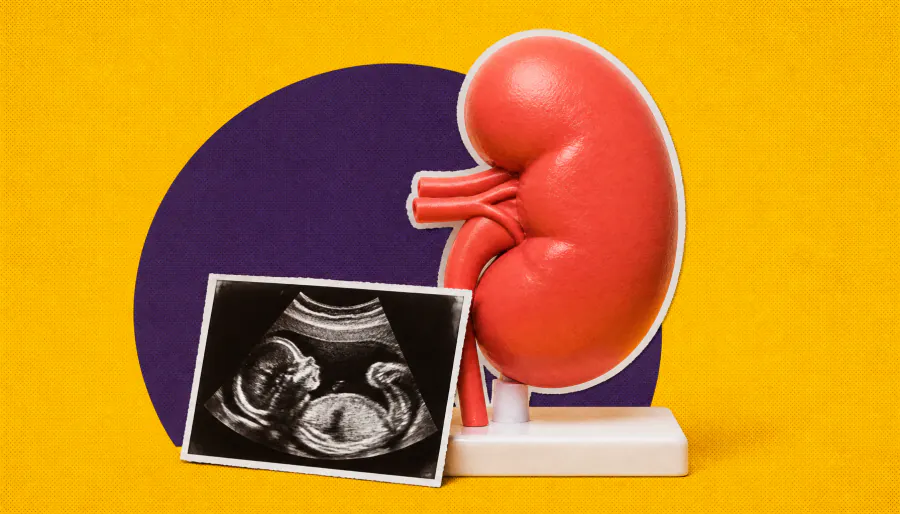
Good news for kidney donors thinking about starting a family. A large Canadian study found that most pregnancies after living kidney donation are uncomplicated, though donors face a modestly higher risk of gestational hypertension and preeclampsia. Researchers say the key takeaway is informed counseling — not alarm.
For women who have donated a kidney and are considering pregnancy, a new study offers mostly reassuring news. Researchers analyzed data from nearly 400 pregnancies among living kidney donors in Canada and found that the vast majority were uncomplicated. The study, presented at ASN Kidney Week and published simultaneously in JAMA, compared outcomes with over 1,500 matched non-donor pregnancies.
That said, donors weren't entirely in the clear. They faced a 50% higher relative risk of hospitalization for gestational hypertension, preeclampsia, or eclampsia — and a notably higher rate of small-for-gestational-age births, a finding researchers called unexpected and worthy of further study.
Key Takeaways:
Why it matters: These findings underscore the importance of individualized counseling for women considering kidney donation who may want to become pregnant. While the absolute risks remain modest, clinicians should factor in a patient's full medical profile — including kidney function and blood pressure — when advising prospective donors.