Turn on cookies to sign in
Signing in saves your progress to your Curie account. We can only do that with cookies on — turn them on to continue.
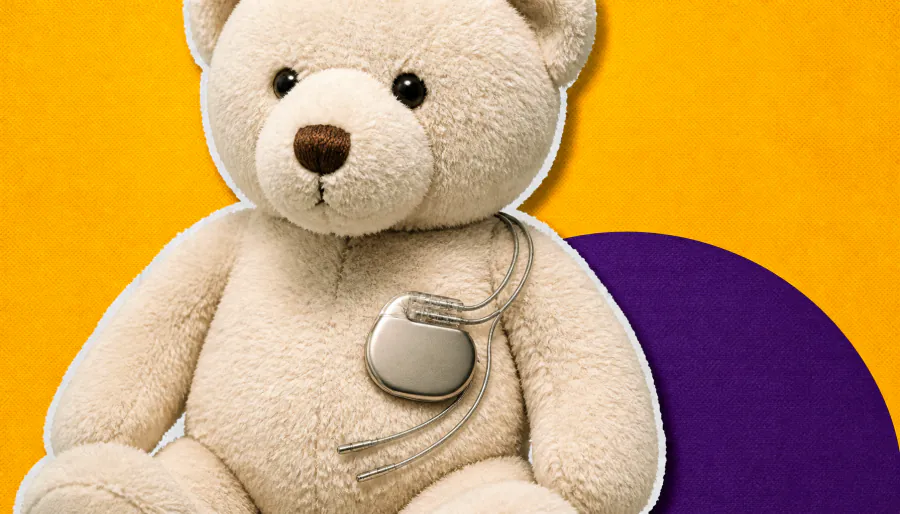
Teddy bears with real medical devices are helping kids cope. Mayo Clinic's "Teddy Bear Clinic" program attaches expired pacemakers, tracheostomy tubes, and feeding tubes to stuffed animals, giving children a companion that "looks like them." The initiative also doubles as a hands-on training opportunity for medical students interested in pediatrics.
Teddy bears with real medical devices are helping kids cope
Mayo Clinic's "Teddy Bear Clinic" is turning stuffed animals into powerful tools for pediatric care. The program, led by pediatric resident Dr. Anders C. Jenson, equips teddy bears with expired medical devices — including pacemakers, tracheostomy tubes, and simulated gastrostomy tubes — and distributes them to hospitalized children who use similar devices. The goal: give kids a relatable companion and reduce the stigma and anxiety that can come with living with medical equipment.
The project also serves a second purpose — drawing medical students toward pediatrics. Students practice suturing the devices onto the bears using expired ED kits, getting low-stakes exposure to both clinical skills and the playful, creative side of pediatric medicine.
Quick Facts
Why it matters: With a growing shortage of pediatricians in the U.S., programs like this that inspire medical students to enter the field — while also improving the patient experience for children — offer a meaningful two-for-one benefit. Dr. Jenson hopes other hospitals will replicate the low-cost, scalable model.