Turn on cookies to sign in
Signing in saves your progress to your Curie account. We can only do that with cookies on — turn them on to continue.
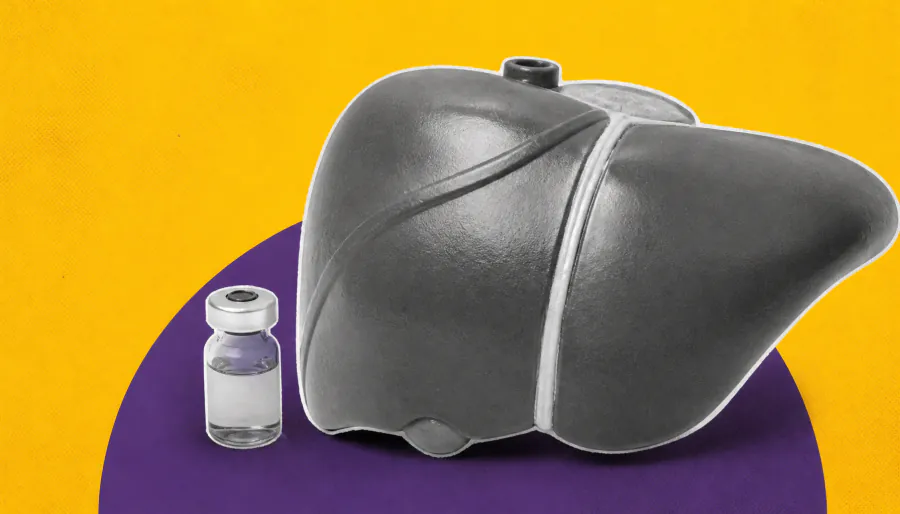
Nearly 40% of US liver transplant recipients go unvaccinated against hepatitis B, despite clear clinical guidelines recommending it. A national cohort study found that older age, alcohol-associated liver disease, and lower education are key barriers. Researchers say targeted, multilevel interventions — and more immunogenic vaccines — could help close the gap.
A large national study has found that a significant share of liver transplant recipients in the US are not getting vaccinated against hepatitis B virus (HBV) — a recommended and potentially life-saving step for this high-risk population. Using data from the United Network for Organ Sharing (UNOS), researchers analyzed over 13,800 adults who received a deceased-donor liver transplant between September 2022 and June 2024.
Only 59.9% of patients were considered vaccinated — either through self-report or a positive antibody test. Vaccination rates were higher in the Northeast and Northwest and lower in the Southeast, pointing to notable regional disparities. Women, Black patients, those with a college degree, and patients with longer waitlist times were more likely to be vaccinated.
Key Takeaways:
Why it matters: HBV vaccination is a cornerstone of care for chronic liver disease patients, yet gaps persist along demographic and geographic lines. Closing these disparities before transplant could meaningfully reduce post-transplant complications and mortality.