Turn on cookies to sign in
Signing in saves your progress to your Curie account. We can only do that with cookies on — turn them on to continue.
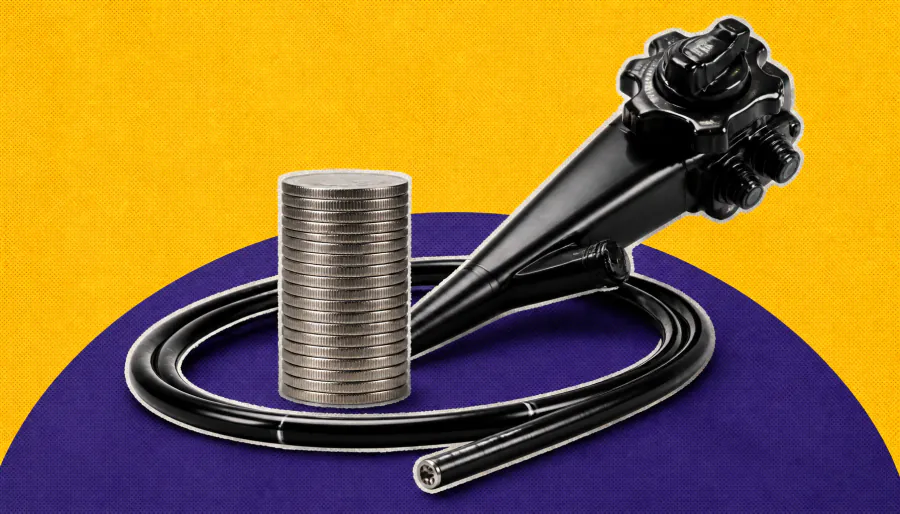
Colonoscopy every 5 years is just as safe as every 3 years after high-risk polyp removal, a major new study suggests. Interim results from a 10-year European trial of nearly 11,000 patients showed nearly identical colorectal cancer rates at 5.5 years regardless of surveillance interval. The findings could ease the burden on overwhelmed endoscopy units and reduce costs for patients and health systems alike.
Colonoscopy every 5 years is just as safe as every 3 years after high-risk polyp removal, a major new study suggests.
Current guidelines recommend a follow-up colonoscopy just 3 years after removing high-risk adenomas — but a large European trial is now challenging that standard. Interim results from the ongoing 10-year European Polyp Surveillance II trial, published in The New England Journal of Medicine, found that delaying the first surveillance colonoscopy to 5 years was noninferior to the standard 3-year interval in nearly 11,000 patients across eight countries.
The findings are significant not just clinically, but practically. Endoscopy units are already stretched thin by surveillance demand, and extending the interval could meaningfully reduce patient burden, healthcare costs, and procedural backlog — without compromising safety.
By the Numbers:
Why it matters: These results could prompt a meaningful update to postpolypectomy surveillance guidelines, shifting the approach from a one-size-fits-all 3-year rule to a more evidence-based, risk-stratified model — potentially benefiting millions of patients and strained healthcare systems worldwide.