Turn on cookies to sign in
Signing in saves your progress to your Curie account. We can only do that with cookies on — turn them on to continue.
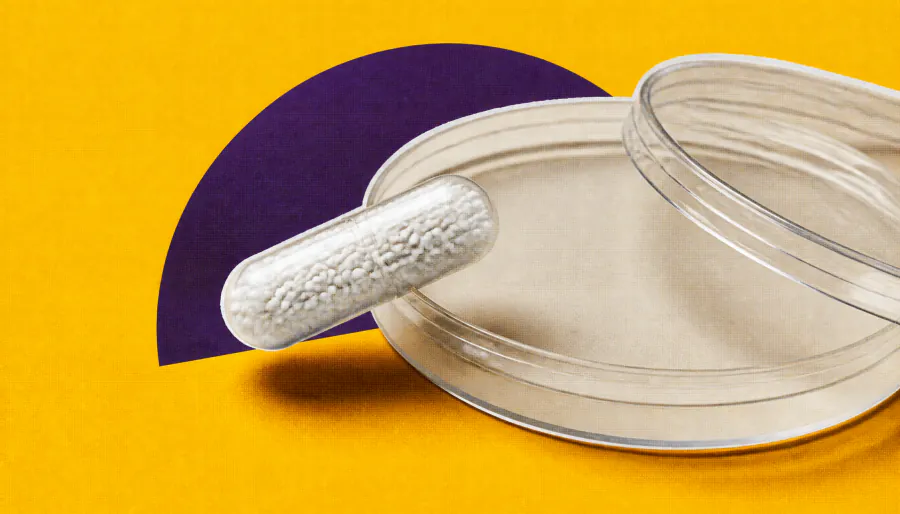
Researchers at City of Hope have developed SER-155, a first-of-its-kind live biotherapeutic pill containing 16 carefully selected beneficial bacteria, designed to prevent bloodstream infections in patients undergoing donor stem cell transplants for blood cancers. In a phase 1 trial published in Nature Medicine, the therapy was well tolerated with no treatment-related side effects and showed early promise in reducing harmful pathogens and infection risk.
Researchers at City of Hope, Memorial Sloan Kettering Cancer Center, and Seres Therapeutics have unveiled a groundbreaking approach to protecting blood cancer patients from one of transplant medicine's most dangerous complications. Their therapy, SER-155, is a pill containing 16 precisely selected strains of beneficial bacteria engineered to restore the gut microbiome and fend off harmful pathogens — a major step beyond traditional fecal transplants, which deliver an unpredictable mix of microbes and can be risky for immunocompromised patients.
In a multicenter phase 1 trial published in Nature Medicine, patients undergoing allogeneic stem cell transplantation — a high-risk but potentially lifesaving treatment for leukemia and other blood cancers — received SER-155 before and after their transplant. The therapy was safe, well tolerated, and showed early signs of effectiveness, with patients experiencing lower levels of dangerous pathogens and a reduced risk of bloodstream infections that can lead to life-threatening sepsis.
Key Takeaways:
Why it matters: Bloodstream infections are a leading cause of death in stem cell transplant patients, and current antibiotic-based prevention doesn't address the root problem. SER-155 represents an entirely new class of precision medicine — one that engineers the microbiome for a specific therapeutic goal — potentially opening the door to similar approaches across oncology and beyond.