Curie Brief
Turn on cookies to sign in
Signing in saves your progress to your Curie account. We can only do that with cookies on — turn them on to continue.
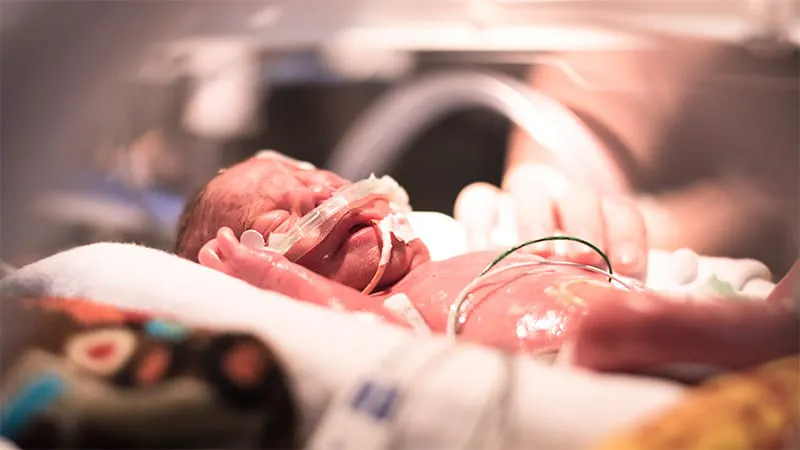
A Hungarian nationwide study found that culture-confirmed early-onset sepsis in newborns is rare — just 0.41 per 1,000 live births — yet nearly two-thirds of NICU-admitted infants received antibiotics anyway. Premature babies and those with respiratory distress were most at risk of unnecessary antibiotic exposure. Experts are calling for standardized, evidence-based antibiotic stewardship to protect this vulnerable population.
A large nationwide registry study from Hungary found that culture-confirmed early-onset sepsis (EOS) in newborns is actually quite rare — occurring in just 0.41 per 1,000 live births between 2020 and 2023. The risk was dramatically higher in preterm infants (born before 35 weeks) at 7.0 per 1,000, compared to 0.20 per 1,000 in those born at or after 35 weeks. E. coli and group B streptococci were the top culprits.
Despite the low confirmed infection rate, the study revealed a striking disconnect: nearly 64% of NICU-admitted infants who did not have sepsis still received antibiotics, typically for a median of 5 days. Infants with respiratory distress were almost five times more likely to receive antibiotics than those without — raising serious questions about overtreatment.
Key Takeaways:
Why it matters: Unnecessary antibiotic exposure in newborns can disrupt the developing microbiome and contribute to antimicrobial resistance. The authors are urging coordinated national efforts to standardize clinical practice and implement evidence-based antibiotic stewardship in NICUs.