Turn on cookies to sign in
Signing in saves your progress to your Curie account. We can only do that with cookies on — turn them on to continue.

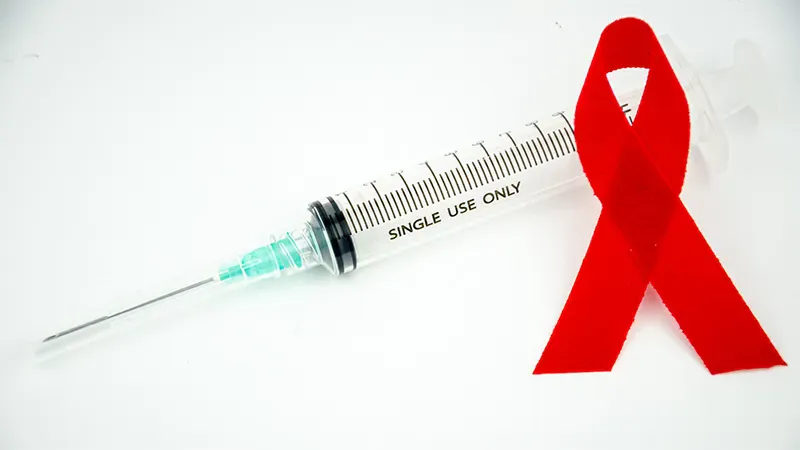
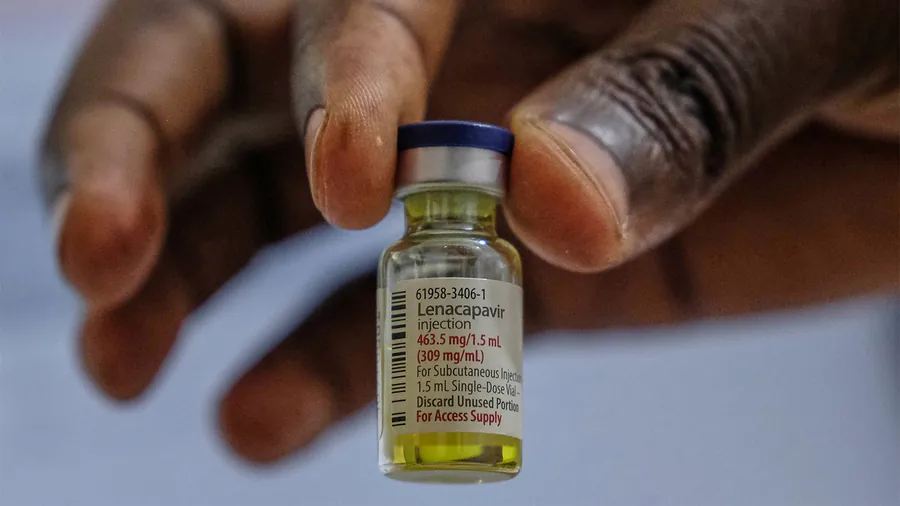
Long-acting injectable (LAI) HIV therapies have been a game-changer since 2021, but a new survey of 96 U.S. clinics reveals that administrative and financial hurdles are slowing widespread adoption. Coverage determination and staffing gaps are the top barriers, with larger clinics faring better than smaller ones. Experts say starting small with a dedicated coordinator — rather than rushing to scale — may be the smarter path forward.
Long-acting injectable (LAI) regimens for HIV — which allow patients to receive bimonthly injections instead of daily pills — have transformed both HIV prevention and treatment since their FDA approval in 2021. But a new cross-sectional survey presented at IDWeek reveals that many U.S. clinics are still struggling to implement them at scale, largely due to administrative and financial roadblocks.
Researchers surveyed 96 healthcare sites across the U.S. and found that the most common barriers were navigating insurance coverage determinations and lacking the staff to manage them. The complexity stems from inconsistent payer requirements — some mandate pharmacy benefits, others medical benefits, and some allow either — making the process difficult to standardize, especially for under-resourced clinics.
Key Takeaways:
Why it matters: With LAIs offering a powerful tool to improve HIV treatment adherence and prevention, the inability to implement them broadly means patients — particularly those on Medicare and Medicaid — may be missing out. Addressing structural and financial barriers is essential to making these therapies accessible at scale.