Turn on cookies to sign in
Signing in saves your progress to your Curie account. We can only do that with cookies on — turn them on to continue.
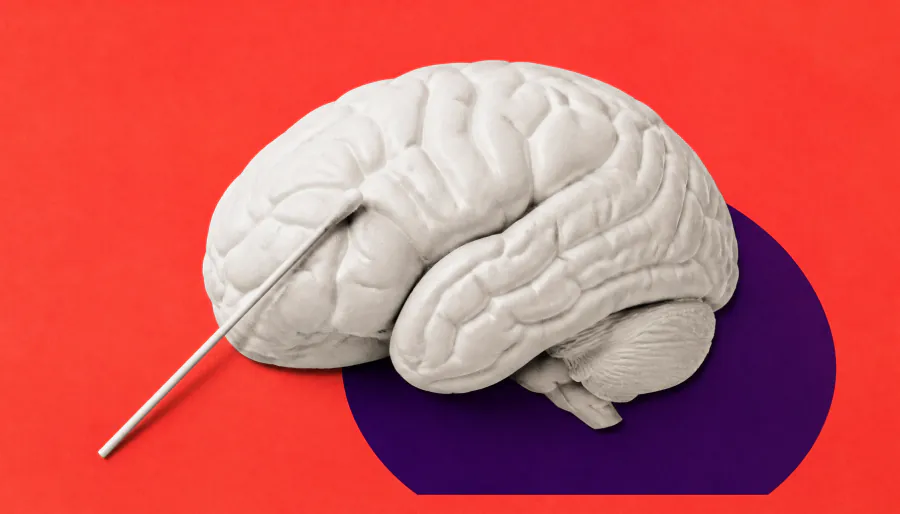
Millions report long COVID symptoms, but the medical community still struggles to define and own these conditions. At ACR Convergence 2026, Dr. Leonard Calabrese urged rheumatologists to validate patients' experiences and embrace a neuroimmune framework to better understand post-infectious chronic illnesses — including ME/CFS, fibromyalgia, and beyond.
At ACR Convergence 2026, Cleveland Clinic immunologist Dr. Leonard Calabrese delivered a pointed message: patients with post-acute infectious syndromes — including long COVID, ME/CFS, and fibromyalgia-like conditions — are real, they are suffering, and they deserve to be taken seriously. Despite millions of documented cases worldwide, these conditions remain poorly defined, and no medical specialty has fully claimed ownership of them.
Calabrese argued that the longstanding habit of dismissing unexplained symptoms as psychological is outdated and harmful. Advances in neuroscience and neuroimmunology now point to dysfunction in integrated brain-immune networks as a plausible driver of these chronic conditions — a framework that could finally bridge the gap between "it's in your head" and "we can't find anything wrong."
Key Takeaways:
Why it matters: Post-infectious syndromes represent a massive, underserved patient population. Without clearer definitions, clinical ownership, and research investment, millions risk being dismissed or mismanaged — a gap the medical community can no longer afford to ignore.