Turn on cookies to sign in
Signing in saves your progress to your Curie account. We can only do that with cookies on — turn them on to continue.
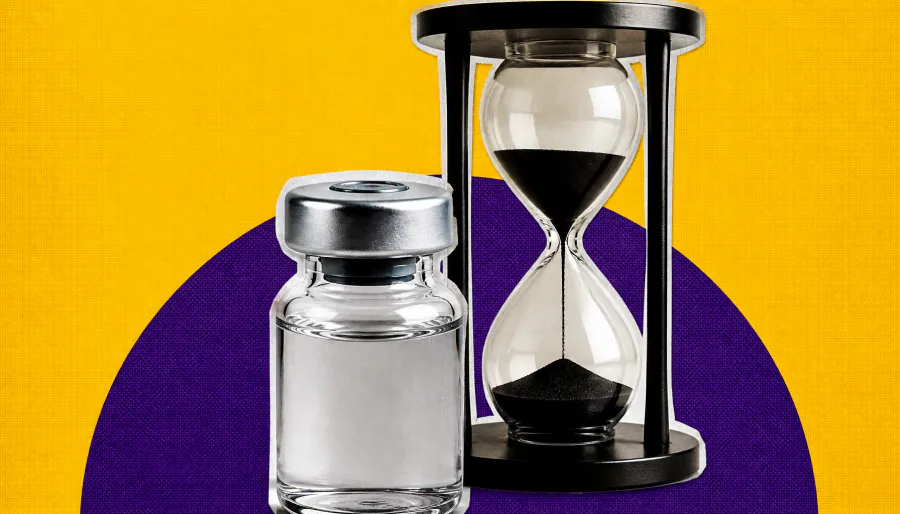
For immunocompromised patients, when you got your last COVID booster matters more than how many shots you've had. A Brazilian study found that longer time since the last booster was independently linked to higher in-hospital mortality among patients with immune-mediated rheumatic diseases — even after accounting for immunosuppression. The overall mortality rate in this group was 28% in 2024.
For patients with immune-mediated rheumatic diseases, staying current on COVID-19 boosters could be a matter of life and death. A nationwide retrospective study from Brazil found that the longer a patient went without a booster, the higher their risk of dying in the hospital from COVID-19. Crucially, it wasn't about whether they were vaccinated or how many total doses they'd received — it was specifically about how long ago their last booster was.
The study, presented at ACR Convergence 2026, analyzed 918 hospitalized patients from Brazil's national surveillance system between 2022 and 2024. Overall in-hospital mortality was 36% across the study period, declining from 38% in 2022 to 26% in 2023 before ticking back up to 28% in 2024.
By the Numbers:
Why it matters: Clinicians managing immunocompromised patients need to track not just vaccination history, but recency of the last booster. While the study can't yet define an optimal booster interval, it sends a clear signal: for this vulnerable population, letting too much time pass between boosters may carry serious consequences.