Turn on cookies to sign in
Signing in saves your progress to your Curie account. We can only do that with cookies on — turn them on to continue.
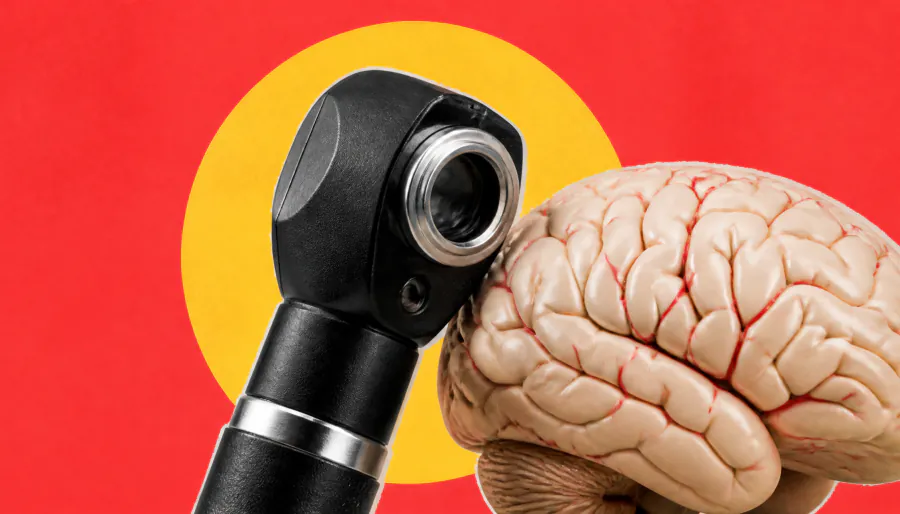
Ophthalmologists are often the first stop for migraine patients with visual symptoms — and knowing the red flags could be lifesaving. From scintillating scotomas to sudden ptosis, eye doctors must distinguish routine migraine aura from stroke, aneurysm, or retinal artery occlusion. A thorough eye exam, prompt referrals, and a solid relationship with a neurologist are key to getting patients the right care fast.
Ophthalmologists are frequently the first clinicians to see migraine patients when visual symptoms take center stage — making it critical that eye doctors can tell the difference between a classic migraine aura and something far more dangerous. Visual aura, which precedes migraine in about 30% of patients, typically presents as scintillating scotomas, flickering lights, or zigzag patterns lasting 5–60 minutes. But when symptoms linger beyond 60 minutes, or when ptosis, pupil abnormalities, or neurologic visual field defects appear, the stakes rise dramatically.
Red flags like painful anisocoria or bitemporal field defects may signal an aneurysm, third nerve compression, or stroke — conditions requiring immediate ER referral, not a routine neurology appointment. After ruling out ocular disease, ophthalmologists should refer most patients directly to a headache-specialized neurologist, while building a direct doctor-to-doctor relationship to help triage urgency.
Key Takeaways:
Why it matters: With both neurologists and neuro-ophthalmologists in short supply, ophthalmologists who can confidently triage migraine patients — catching life-threatening conditions early and managing mild cases appropriately — play a vital role in preventing delays that could cost patients their vision or their lives.