Turn on cookies to sign in
Signing in saves your progress to your Curie account. We can only do that with cookies on — turn them on to continue.
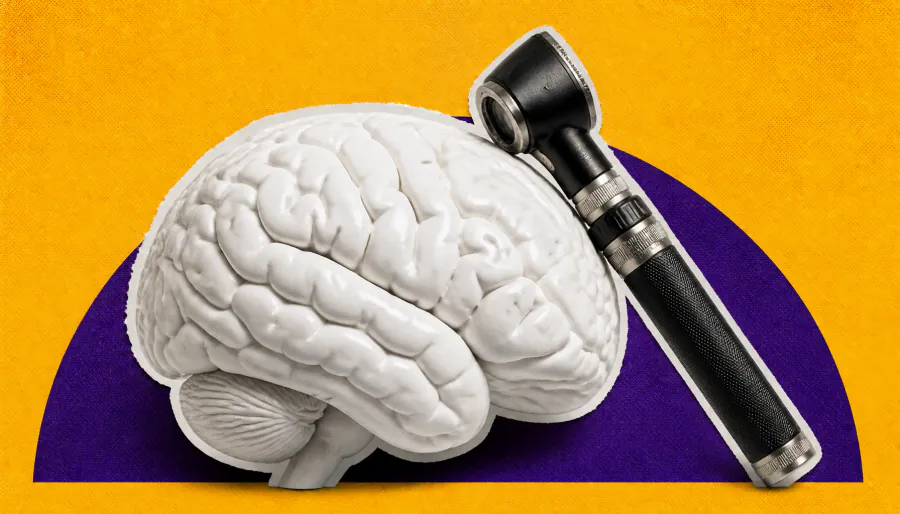
Migraine isn't just a headache — it's a brain condition with major implications for vision. From visual auras and photophobia to dry eye-like symptoms and rare phenomena like Alice in Wonderland syndrome, ophthalmologists are often the first clinicians these patients see. Experts say eye doctors should brush up on migraine to help with early diagnosis and appropriate referrals.
Migraine is a complex neurological condition that deeply intersects with eye health — and ophthalmologists may be uniquely positioned to catch it early. Because up to two-thirds of the brain is involved in vision, migraine's hallmark symptoms often show up in the eyes first. Visual aura (flashing lights, jagged lines) affects about 30% of migraineurs, while photophobia impacts a striking 90% during attacks — and many remain light-sensitive even between episodes.
Experts stress the importance of distinguishing migraine from more serious conditions. Monocular visual disturbances, for instance, may signal retinal vasospasm, amaurosis fugax, or even carotid disease rather than classic migraine. Meanwhile, migraine-associated dry eye symptoms — driven by shared nerve pathways — are frequently misdiagnosed as standard dry eye disease, leading to suboptimal treatment.
Key Takeaways:
Why it matters: Ophthalmologists are often the first stop for migraine patients worried about their eyes. Recognizing migraine's ocular footprint — and knowing when to refer — can meaningfully shorten the path to diagnosis and better care.