Turn on cookies to sign in
Signing in saves your progress to your Curie account. We can only do that with cookies on — turn them on to continue.
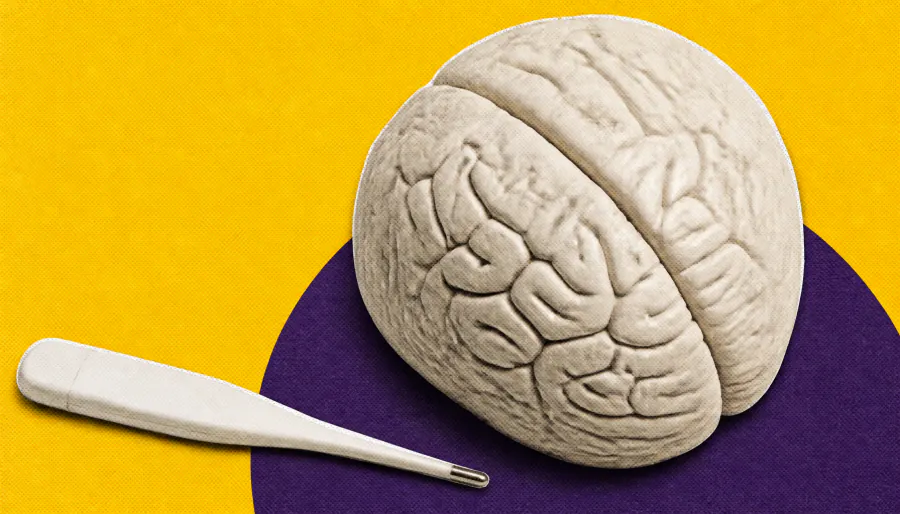
Researchers are exploring torpor — a hibernation-like state — as a novel way to protect the brain after stroke. By activating specific neural circuits in the brain's preoptic area, scientists induced a hypothermic, low-metabolism state in animal models that slashed brain injury by more than half. The approach sidesteps the pitfalls of traditional cooling methods, which can trigger counterproductive shivering.
Therapeutic hypothermia is well-established as a brain protector after neurological injury — but getting there has always been the hard part. Cooling a stroke patient externally often backfires, as the brain fights back with shivering and a spike in metabolic rate. Now, researchers at Washington University School of Medicine think they've found a smarter route: tapping into the brain's own thermoregulation circuitry to induce torpor, a naturally occurring hibernation-like state.
Dr. Eric Landsness and colleagues used a preclinical stroke model to test whether activating neurons in the preoptic area of the brain could trigger a sustained, protective hypothermic state. After inducing a 30-minute stroke in animal models, they activated these circuits and observed a body temperature drop lasting ~48 hours — with striking results.
By the Numbers:
Why it matters: If this approach can be translated to humans — potentially even noninvasively — it could offer a groundbreaking way to limit brain damage after stroke without the complications of external cooling. Researchers are now testing the method in non-human primates and mapping the key metabolic pathways involved.