Turn on cookies to sign in
Signing in saves your progress to your Curie account. We can only do that with cookies on — turn them on to continue.
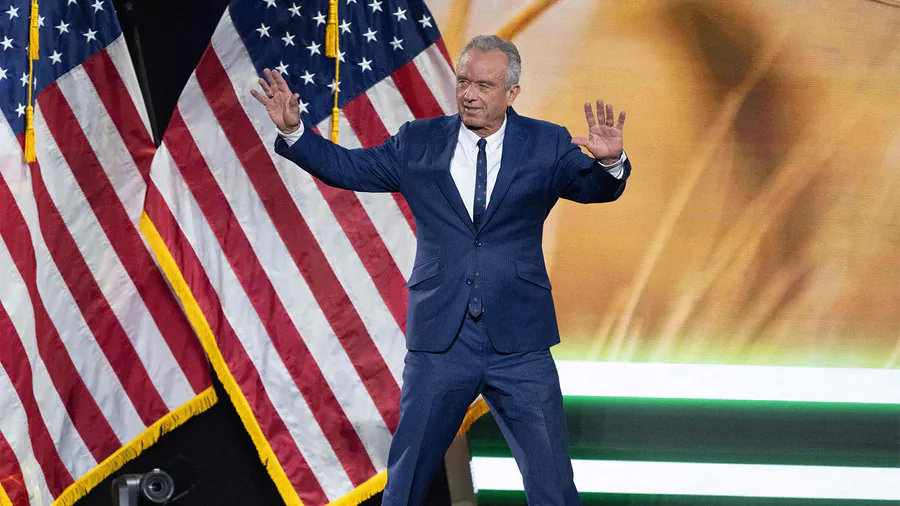
After Democrats swept the congressional midterms, HHS Secretary RFK Jr. is facing mounting pressure — from impeachment calls to promised investigations into his handling of vaccine policy and public health crises. Experts say a full impeachment would be a heavy lift, but increased congressional scrutiny is all but guaranteed. Many analysts now think Kennedy may resign rather than endure the heat.
After a sweeping Democratic victory in the congressional midterms, HHS Secretary Robert F. Kennedy Jr. finds himself in an increasingly precarious position. Public health advocates have been calling for his impeachment, citing his perceived inaction during a measles epidemic, his repeated questioning of vaccine safety, and controversial decisions like gutting the Agency for Healthcare Research and Quality. Incoming Democratic lawmakers have already signaled plans to launch investigations into Kennedy's leadership — including cuts to the FDA and CDC that some believe contributed to a major foodborne illness outbreak this past summer.
Experts are divided on whether impeachment is realistic — it would require a two-thirds Senate vote, meaning significant Republican buy-in — but agree that Kennedy's tenure is about to get considerably more difficult. Policy analysts suggest he may ultimately choose to resign rather than face relentless oversight hearings. For now, the administration is standing by Kennedy, with his office reaffirming commitment to the MAHA (Make America Healthy Again) agenda.
Key Takeaways:
Why it matters: Kennedy's fate at HHS has direct implications for federal vaccine policy, public health infrastructure, and ongoing disease outbreaks — issues that touch every corner of American healthcare.