Turn on cookies to sign in
Signing in saves your progress to your Curie account. We can only do that with cookies on — turn them on to continue.
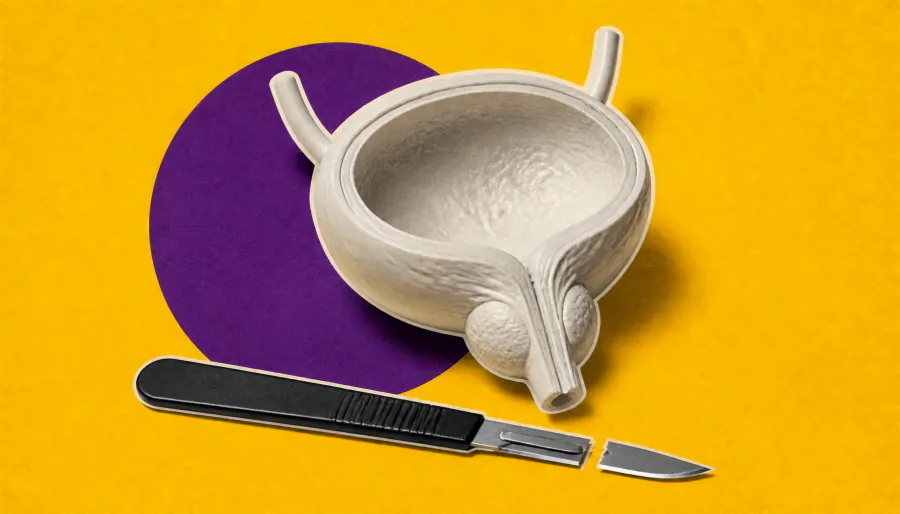
A powerful drug combo is changing how doctors treat muscle-invasive bladder cancer (MIBC). Enfortumab vedotin plus pembrolizumab has roughly doubled pathologic complete response rates compared to standard chemotherapy, making bladder preservation a genuine option for more patients. Experts now view MIBC as a systemic disease, with ctDNA testing helping guide who truly needs surgery.
Radical cystectomy — the surgical removal of the bladder — has long been the go-to treatment for muscle-invasive bladder cancer (MIBC). But a potent combination of enfortumab vedotin (Padcev) and pembrolizumab (Keytruda) is reshaping that standard, making bladder preservation a realistic path for many more patients. At the LUGPA 2026 Annual Meeting, urologic oncologist Joshua Meeks, MD, PhD, argued that MIBC should now be understood as a systemic disease — not just a local one — drawing parallels to how breast cancer treatment evolved away from radical surgery.
The shift is being driven by dramatically improved response rates and smarter staging tools. Circulating tumor DNA (ctDNA) testing now helps identify which patients are at highest risk of metastasis, allowing more personalized treatment decisions. Based on restaging results, patients can be directed toward radical cystectomy, trimodal therapy (chemoradiation), or even active observation — all while continuing systemic therapy.
By the Numbers
Why it matters: With complete response rates now approaching 60%, bladder preservation is no longer a last resort — it's a legitimate first conversation. This shift could spare thousands of patients from life-altering surgery and urinary diversion, while ctDNA-guided decision-making ensures higher-risk patients still get the aggressive treatment they need.