Turn on cookies to sign in
Signing in saves your progress to your Curie account. We can only do that with cookies on — turn them on to continue.
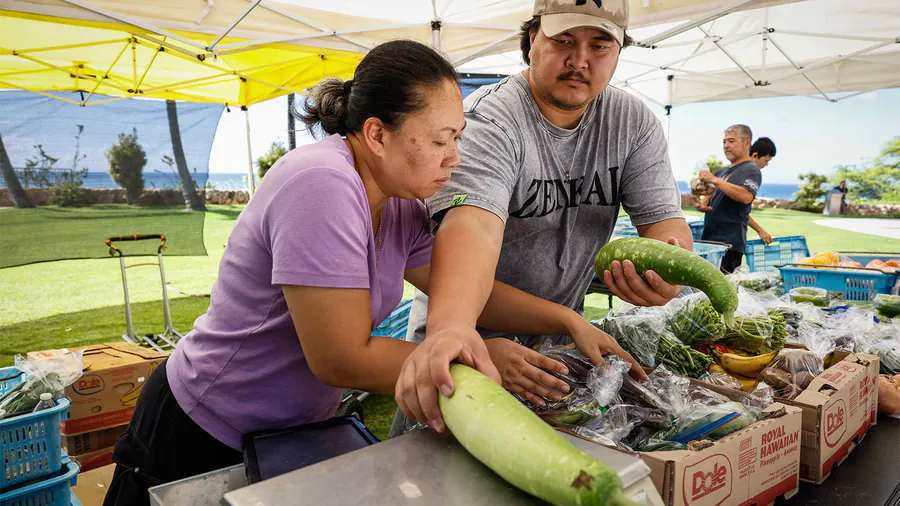
Hawaii is set to launch a federally funded "Food Is Medicine" program as early as January, allowing doctors to prescribe fresh produce and proteins to Medicaid-eligible residents. The initiative targets over 121,000 low-income residents struggling with diet-related chronic diseases and food insecurity. Early pilot results are striking — one participant halved her blood sugar levels, while another lost over 70 pounds.
Hawaii is about to make food a literal prescription. Starting as early as January, the state's Medicaid program will allow doctors to prescribe fresh fruits, vegetables, and locally sourced proteins — think ahi, beef, and eggs — to over 121,000 eligible low-income residents. The initiative, enabled by the Social Security Act's 11-15 waiver, joins at least a dozen other states in treating nutrition as a frontline healthcare intervention.
The program is designed with a local-first philosophy: advocates recommend at least 15% of produce and protein come from Hawaii's own farms and fisheries, aiming to simultaneously improve public health and boost the agricultural economy. Eligible recipients on Oʻahu will receive $50/week in food vouchers or boxes, while residents on other islands get $55/week.
By the Numbers:
Why it matters: Pilot results are already turning heads — one participant's blood sugar halved after years of struggle, and another lost 70+ pounds. For clinicians, this program signals a growing recognition that addressing social determinants of health, particularly food access, can deliver measurable clinical outcomes at scale.