Turn on cookies to sign in
Signing in saves your progress to your Curie account. We can only do that with cookies on — turn them on to continue.
ICU survivors face a hidden pain crisis that's going undiagnosed. A new narrative review highlights that chronic neuropathic pain affects a meaningful subset of post-ICU patients, yet often goes unrecognized during care transitions. The authors call for better diagnosis and coordinated specialty care — and suggest neuromodulation could be a future research avenue for the most refractory cases.
Surviving the ICU is increasingly common — but for many patients, discharge is just the start of a new struggle. Beyond the well-known challenges of post-intensive care syndrome (PICS), a new narrative review spotlights a frequently missed complication: chronic neuropathic pain. The authors argue that this condition is underdiagnosed, poorly tracked across care transitions, and inadequately treated with conventional medications alone.
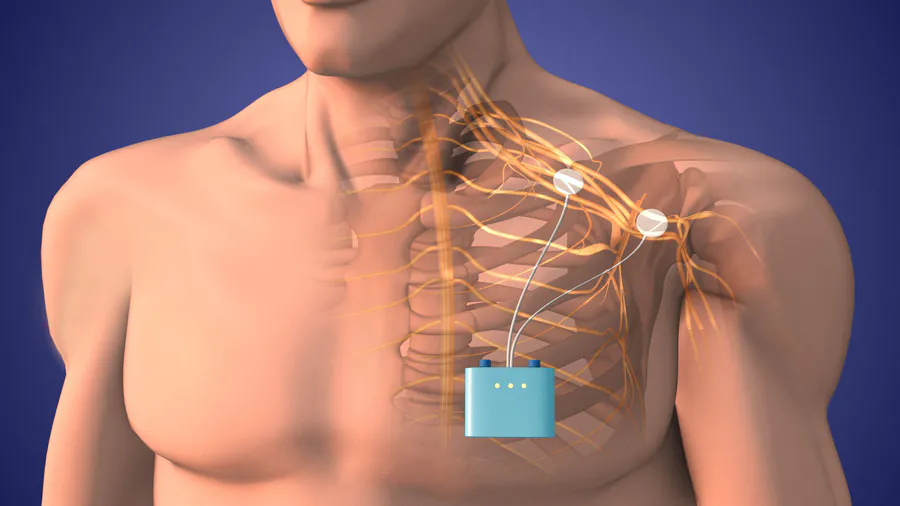
The review proposes a phenotype-based clinical framework to guide future research into neuromodulation — including peripheral nerve stimulation (PNS), dorsal root ganglion stimulation (DRGS), and spinal cord stimulation (SCS) — as potential options for carefully selected patients whose pain remains disabling despite standard care. Crucially, the authors stress this is a call for rigorous clinical investigation, not routine device implantation.
By the Numbers
Why it matters: As critical care improves survival rates, the definition of "successful treatment" must expand. Identifying and treating neuropathic pain earlier — and coordinating care across ICU, neurology, rehab, and pain medicine — could meaningfully improve quality of life for ICU survivors.