
Turn on cookies to sign in
Signing in saves your progress to your Curie account. We can only do that with cookies on — turn them on to continue.

Pain after the ICU is more than just soreness. Many patients discharged after critical illness experience burning, shooting, or touch-triggered pain that signals neuropathic involvement — and it's often missed. A new framework urges primary care providers to assess, treat, and coordinate care for this overlooked condition before it derails recovery.
For patients returning to primary care after sepsis, respiratory failure, or prolonged hospitalization, persistent pain is common — but not all pain is the same. Burning feet, electric shock sensations, and allodynia (pain from light touch) point to neuropathic involvement, which requires a different diagnostic and treatment approach than general deconditioning. A newly published narrative review proposes a structured framework to help clinicians identify and manage neuropathic pain in post-ICU patients.
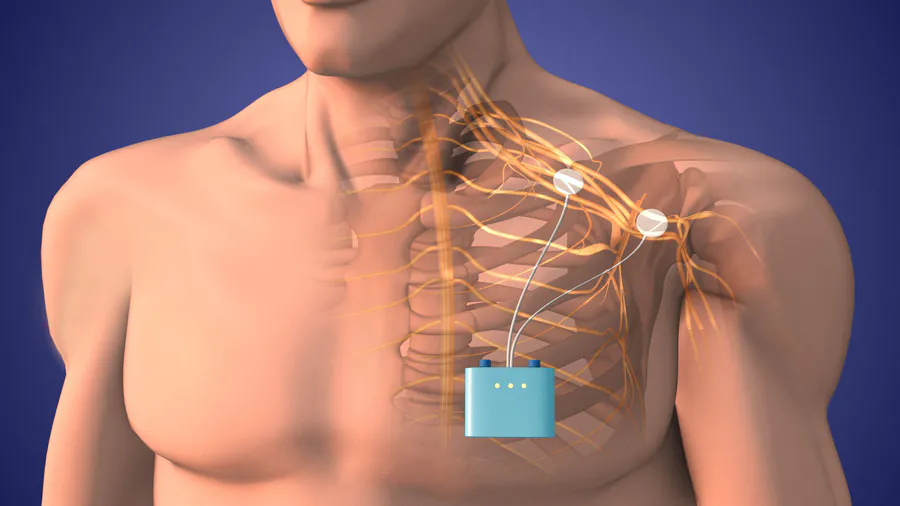
The framework emphasizes distinguishing neuropathic symptoms from musculoskeletal or myopathic causes, using symptom location, quality, and nerve distribution as guides. Gabapentinoids and certain antidepressants are first-line options, though side effects like sedation and dizziness can hinder rehabilitation — especially in patients with renal dysfunction. Neuromodulation therapies (e.g., spinal cord stimulation) are flagged as research priorities, not yet standard care for this population.
Key Takeaways:
Why it matters: Neuropathic pain after critical illness can silently block rehabilitation progress. Primary care providers are uniquely positioned to catch it early, coordinate specialist referrals, and keep recovery on track.