Turn on cookies to sign in
Signing in saves your progress to your Curie account. We can only do that with cookies on — turn them on to continue.
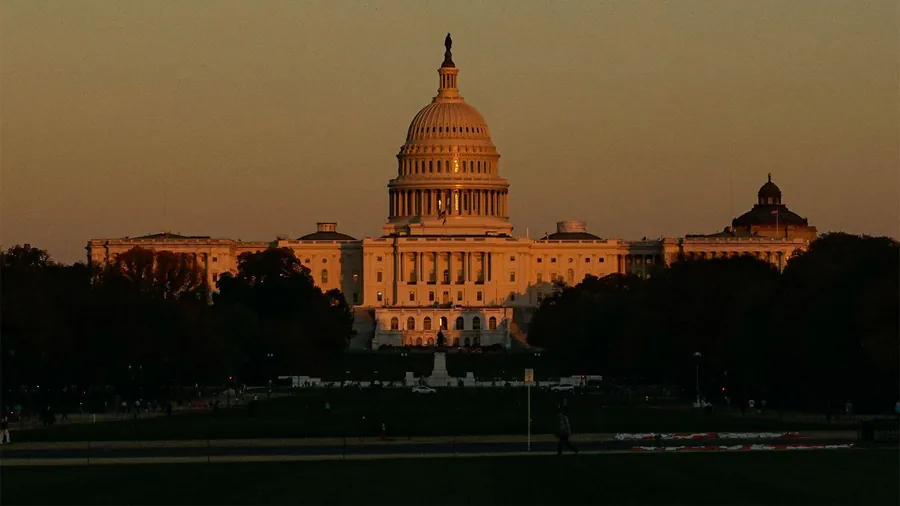
With Democrats taking control of Congress, health policy is front and center. Analysts say the new legislature may investigate HHS Secretary RFK Jr., revisit flaws in the No Surprises Act, and push back on Medicaid cuts from the reconciliation bill. Experts caution, however, that without a veto-proof Senate majority, sweeping reforms may be more aspirational than achievable.
With Democrats set to take the reins of Congress, healthcare analysts are mapping out what the new legislative agenda might look like — and it's a packed list. Public health advocates are calling for a full investigation into HHS Secretary Robert F. Kennedy Jr.'s tenure, with some pushing for impeachment proceedings. Reasserting congressional authority over health spending — including restoring funding for disease monitoring, food safety, and health research — is also high on the wish list.
Beyond RFK Jr., experts see room for targeted reforms in areas like the No Surprises Act, site-neutral hospital payments, antitrust enforcement, and price transparency. On Medicaid, lawmakers may attempt to repeal or delay cuts passed in last summer's reconciliation bill, while also scrutinizing CMS for allegedly overstepping its implementation authority.
Key Takeaways:
Why it matters: Democrats lack a veto-proof Senate majority, meaning landmark rollbacks face an uphill battle — but the new Congress could still reshape healthcare oversight and spending in meaningful ways.