Turn on cookies to sign in
Signing in saves your progress to your Curie account. We can only do that with cookies on — turn them on to continue.
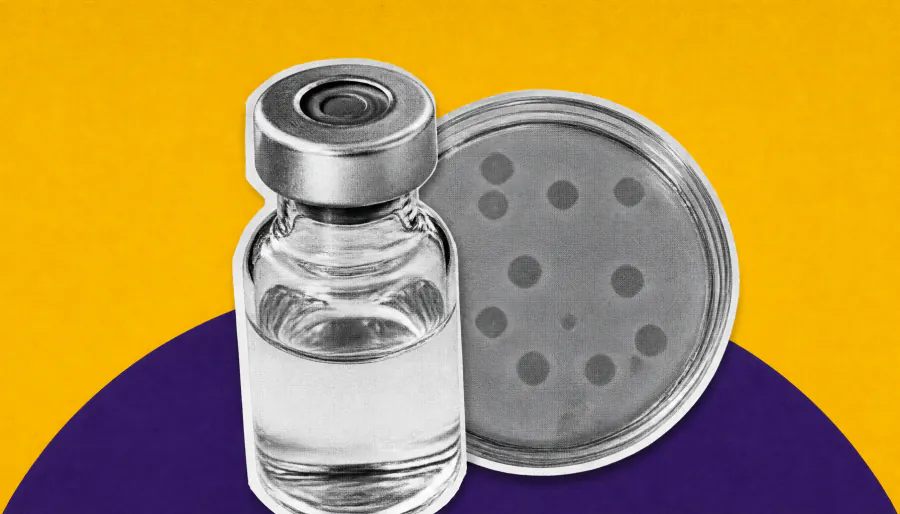
Scientists are turning bacteria-killing viruses into treatments for antibiotic-resistant infections. An international team has released the first coordinated clinical guidelines for personalized phage therapy, offering a roadmap for safely bringing this experimental approach into clinical practice. Early results are encouraging — one study found improvement in 77% of treated patients.
Antibiotic resistance is one of medicine's most pressing crises, and scientists may have found an unlikely ally: viruses. An international team led by the German Society for Infectious Diseases (DGI) has published the first globally coordinated clinical guidelines for personalized phage therapy — a treatment that uses carefully selected, bacteria-killing viruses called bacteriophages to target infections that no longer respond to conventional antibiotics. The consensus statement, published in Nature Medicine, was developed by 20 professional organizations, 18 international experts, and two patient advocacy groups, resulting in over 60 recommendations covering phage selection, manufacturing, administration, and monitoring.
The guidelines don't position phage therapy as a routine treatment — not yet. Instead, they emphasize a case-by-case approach for patients when standard treatments have failed or can't be safely used. Frankfurt University Medical Center has already treated 10 patients under the new framework since February 2026, targeting tough pathogens like Pseudomonas aeruginosa and Staphylococcus aureus.
By the Numbers:
Why it matters: With antibiotic resistance rendering standard treatments increasingly ineffective, phage therapy offers a precision alternative. These international standards create a critical foundation for responsible clinical use — and could eventually give patients with untreatable infections a fighting chance.