Turn on cookies to sign in
Signing in saves your progress to your Curie account. We can only do that with cookies on — turn them on to continue.
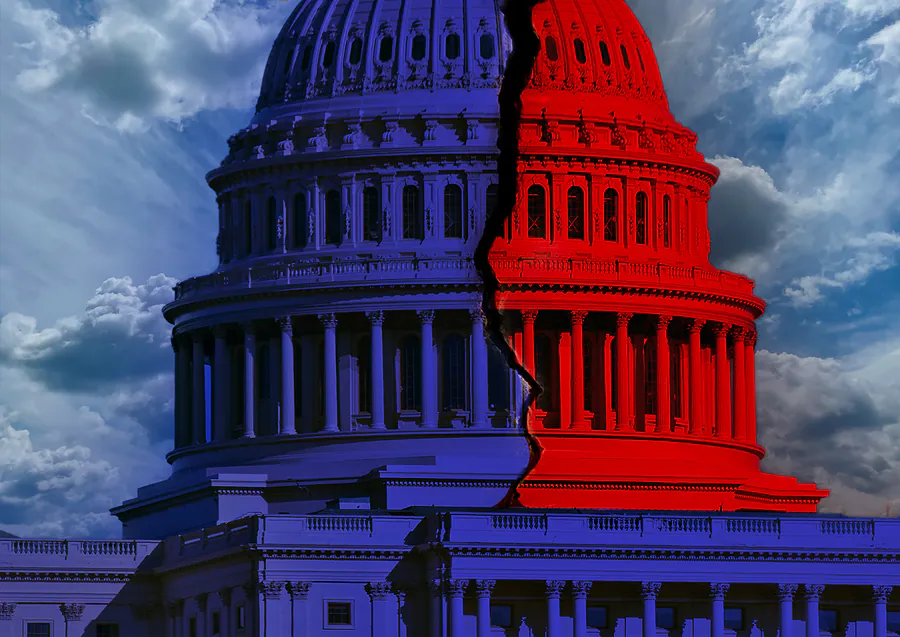
A surprise Democratic sweep of Congress is setting the stage for a major healthcare policy battle in 2027. Democrats are eyeing Medicaid cut reversals, ACA subsidy restoration, and aggressive corporate oversight — but a Trump veto looms large. Bipartisan wins on areas like prior authorization reform and price transparency may be the most realistic near-term gains.
Tuesday's midterm elections delivered a bigger-than-expected Democratic wave, flipping seven Senate seats and 21 House seats and handing the party comfortable majorities heading into 2027. Healthcare was a central campaign issue — Democrats alone spent $65 million on healthcare-focused ads in battleground Senate races, more than double their next-biggest topic.
With new majorities come new priorities. Democrats' "First 100 Hours" agenda includes repealing Medicaid cuts from the One Big Beautiful Bill Act, restoring expired ACA premium tax credits, protecting medical debt relief, and ending an AI-driven prior authorization program in Traditional Medicare. High-profile committee chairs like Bernie Sanders (HELP) and Ron Wyden (Finance) are expected to launch aggressive corporate investigations and hearings.
Still, with Trump in the White House, sweeping reforms face a steep climb. Analysts say the most realistic near-term wins will come through bipartisan deals on shared pain points — think prior authorization reform, price transparency, and physician pay — tucked into must-pass spending packages.
Key Takeaways:
Why it matters: Even where legislation stalls, Democratic hearings and investigations will signal the policy direction for 2028 — and healthcare executives are being urged to plan for multiple scenarios now.