Turn on cookies to sign in
Signing in saves your progress to your Curie account. We can only do that with cookies on — turn them on to continue.
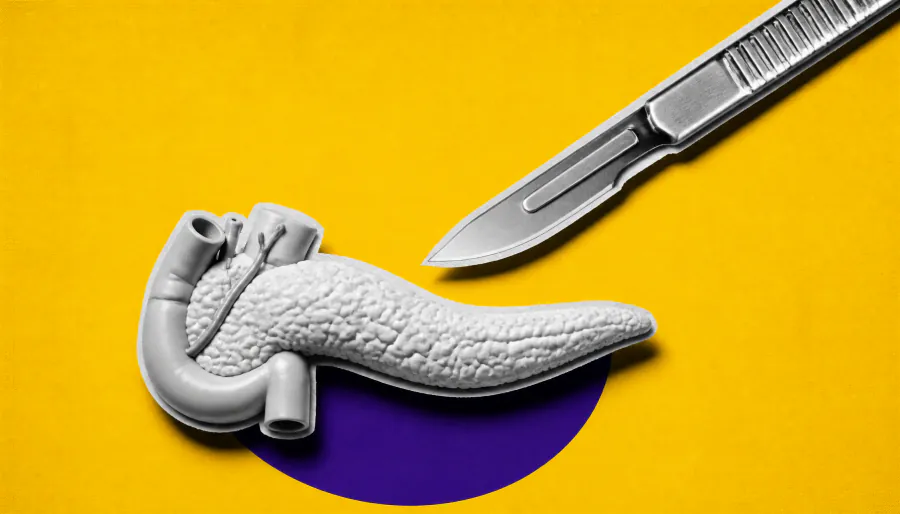
Not all pancreatic cysts are created equal. A new prospective study found that patients with two or more "worrisome" features on pancreatic cystic lesions face an eightfold higher 3-year risk of progressing to cancer or high-grade dysplasia compared to those with just one. The findings underscore the need for individualized, risk-based surveillance rather than a one-size-fits-all approach.
Not all pancreatic cysts are created equal
Pancreatic cysts are surprisingly common — affecting 10–18% of the general population — but most won't turn cancerous. The challenge for clinicians is figuring out which ones will. A new prospective cohort study published in Gastroenterology sheds light on that question, finding that the number of "worrisome" features a cyst has matters a lot when it comes to cancer risk.
Researchers followed 230 adults with pancreatic cystic lesions that had at least one worrisome or high-risk feature. Worrisome features included cysts ≥3 cm, rapid growth, enlarged lymph nodes, and thickened cyst walls. The key finding: having more than two worrisome features pushed the 3-year risk of advanced neoplasia close to that seen with high-risk stigmata — the most dangerous category.
By the Numbers
Why it matters: These findings give clinicians prospective evidence to support more aggressive surveillance — or earlier surgical intervention — for patients with multiple worrisome features, potentially catching pancreatic cancer at a stage when outcomes can still be meaningfully improved.