Turn on cookies to sign in
Signing in saves your progress to your Curie account. We can only do that with cookies on — turn them on to continue.
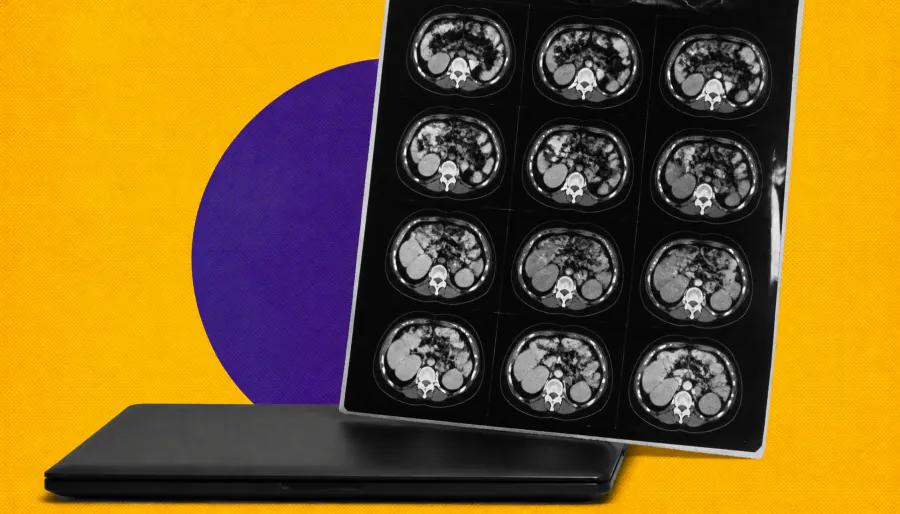
A new AI system called REDMOD can detect hidden signs of pancreatic cancer an average of 475 days before diagnosis, nearly doubling the sensitivity of experienced radiologists. Published in the journal Gut, the technology analyzes subtle tissue patterns on CT scans invisible to the human eye. Early detection could dramatically improve survival rates for one of cancer's deadliest forms.
Pancreatic cancer is notoriously hard to catch early — and by the time most patients are diagnosed, the disease has already advanced to a difficult-to-treat stage. A new AI model called REDMOD (Radiomics-based Early Detection MODel) may be about to change that. Published in the journal Gut, the system analyzes microscopic texture patterns in pancreatic tissue on CT scans that are invisible to the naked eye, flagging cancer-related changes long before a conventional diagnosis.
In a study of 219 patients who were later diagnosed with pancreatic ductal adenocarcinoma — the most common type — REDMOD detected warning signs an average of 475 days before their clinical diagnosis. The AI achieved a sensitivity of 73%, compared to just 39% for experienced radiologists. For scans taken more than two years before diagnosis, REDMOD's detection rate was 68%, nearly three times the radiologists' 23%.
By the Numbers
Why it matters: Pancreatic cancer has one of the lowest survival rates of any cancer, largely because it's almost always caught late. REDMOD could shift the paradigm from reactive, late-stage diagnosis to proactive early interception — potentially more than doubling survival rates if more cases are caught at a localized stage. Prospective trials, especially in high-risk populations, are the critical next step.