Turn on cookies to sign in
Signing in saves your progress to your Curie account. We can only do that with cookies on — turn them on to continue.
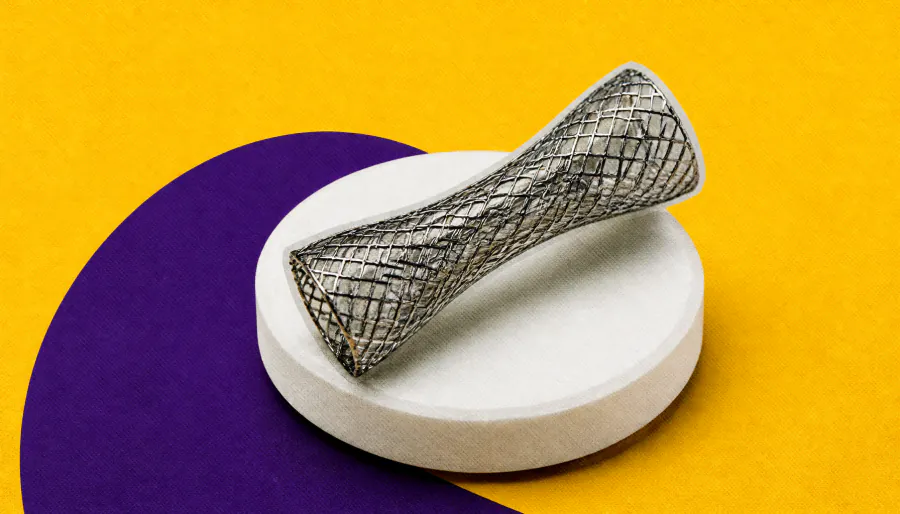
A device meant to relieve stubborn chest pain didn't beat a fake procedure. The REMEDY-PILOT trial found that a coronary sinus reducer offered no meaningful improvement in heart perfusion, symptoms, or quality of life compared to a sham procedure in patients with angina and coronary microvascular dysfunction but no blocked arteries.
A promising heart device hits a wall in a new trial
The REMEDY-PILOT trial, presented at TCT 2026, put the coronary sinus reducer (Shockwave Reducer) to the test in a population it hadn't been rigorously studied in before — patients with refractory angina and coronary microvascular dysfunction but no obstructed coronary arteries (ANOCA). The result? The device performed no better than a sham procedure across every measured outcome.
The randomized, double-blind, sham-controlled trial enrolled 54 patients, the majority of whom had severe angina (CCS class III or IV). After 6 months, there were no significant differences between the device and sham groups in heart perfusion, daily angina episodes, or any of the six Seattle Angina Questionnaire domains. One device-related adverse event (cardiac tamponade) was reported.
Key Takeaways
Why it matters: Coronary microvascular dysfunction is common and debilitating, yet treatment options remain limited. While this trial doesn't rule out the device's utility entirely, it signals that careful patient selection and deeper mechanistic understanding will be critical before broader adoption in this population.