Turn on cookies to sign in
Signing in saves your progress to your Curie account. We can only do that with cookies on — turn them on to continue.
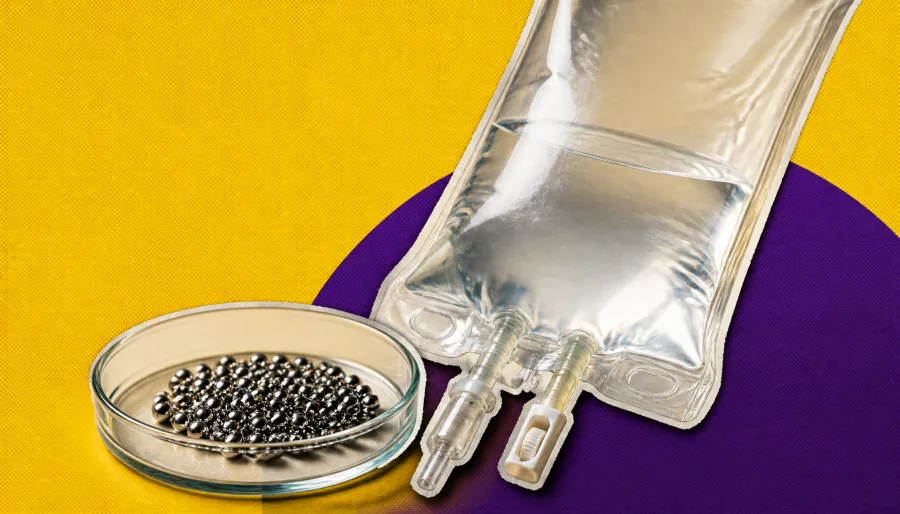
Japanese researchers have found a clever way to turn cancer cells' own chemistry against them. By delivering a specially designed compound into tumors, they used carbon monoxide naturally produced by cancer cells to manufacture toxic anticancer drugs directly inside the cells — while sparing healthy tissue. The technique, still in early lab stages, could one day offer a safer alternative to conventional chemotherapy.
Japanese researchers at RIKEN have developed a novel cancer-fighting strategy that flips the script on drug delivery: instead of flooding the body with toxic chemotherapy, they've engineered a system that uses cancer cells' own chemistry to manufacture the killing agent on-site. The key ingredient? Carbon monoxide — a gas that many tumor cells produce in unusually high amounts.
The team, led by Katsunori Tanaka, designed a palladacycle compound (a metal-containing catalyst) wrapped in albumin, a common blood protein. The albumin shield protects the catalyst from being deactivated inside cells. Once inside a cancer cell, the excess carbon monoxide triggers a chemical reaction that produces phenanthridinone — a toxic compound already used in existing anticancer drugs. In lab tests on liver, cervical, breast, and lung cancer cell lines, the drug formed selectively in cancer cells but not in healthy ones. Crucially, the reaction didn't fire prematurely in the bloodstream, likely because blood-borne carbon monoxide is bound to hemoglobin and unavailable for the reaction.
Key Takeaways:
Why it matters: Traditional chemotherapy's biggest drawback is collateral damage to healthy tissue. This approach could pave the way for a new class of precision cancer therapies that generate toxic drugs only where they're needed — right inside the tumor.