Turn on cookies to sign in
Signing in saves your progress to your Curie account. We can only do that with cookies on — turn them on to continue.
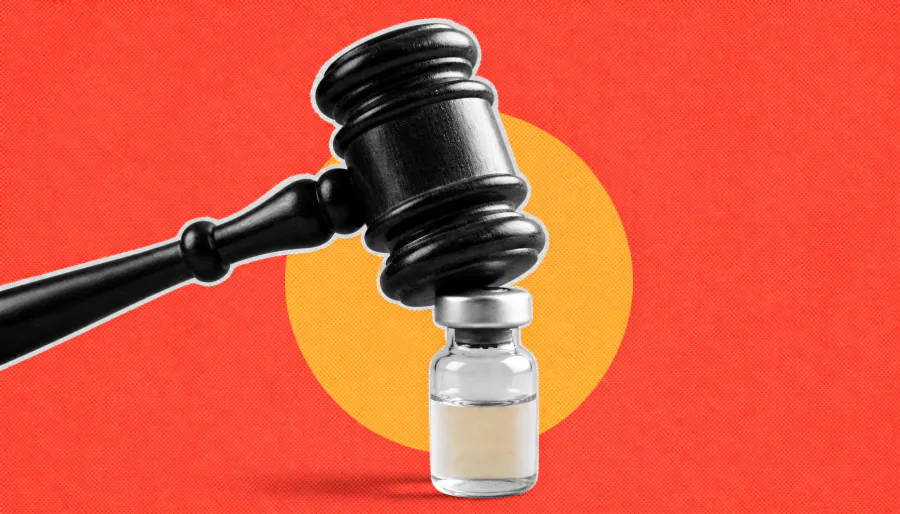
RFK Jr.'s HHS greenlights unproven peptides despite FDA pushback. The Department of Health and Human Services has issued an interim enforcement policy allowing compounding pharmacies to prepare six unapproved peptide injections — over the objections of FDA scientists. The peptides, proposed for uses ranging from wound healing to obesity, have not been reviewed for safety or effectiveness, and some were previously flagged for risks including kidney damage and allergic reactions.
The U.S. Department of Health and Human Services (HHS), led by Secretary Robert F. Kennedy Jr., has issued an interim enforcement policy directing the FDA not to take regulatory action against compounding pharmacies that prepare six unapproved peptide injections: BPC-157, epitalon, KPV, MOTS-c, semax, and TB-500. The move effectively bypasses the FDA's formal drug review process — and was made with little input from FDA scientists, who largely opposed it, warning it could undermine the agency's core mission of keeping unsafe products off the market.
The six peptides are proposed for a range of conditions including ulcerative colitis, insomnia, wound healing, obesity, osteoporosis, and migraines. None have passed FDA review for safety or efficacy, and in 2023, the FDA had added BPC-157 and TB-500 to a list of substances pharmacies shouldn't compound, citing risks of tumor growth, kidney damage, and allergic reactions. Telehealth company Hims & Hers has already signaled plans to sell these peptides once rules change, in a market analysts value at over $2 billion.
Key Takeaways:
Why it matters: This policy sets a significant precedent by allowing HHS to sidestep the FDA's standard drug review process. Clinicians should be prepared for patients who may mistakenly view this as FDA approval — and should document informed consent carefully if they choose to prescribe these compounds.