Turn on cookies to sign in
Signing in saves your progress to your Curie account. We can only do that with cookies on — turn them on to continue.
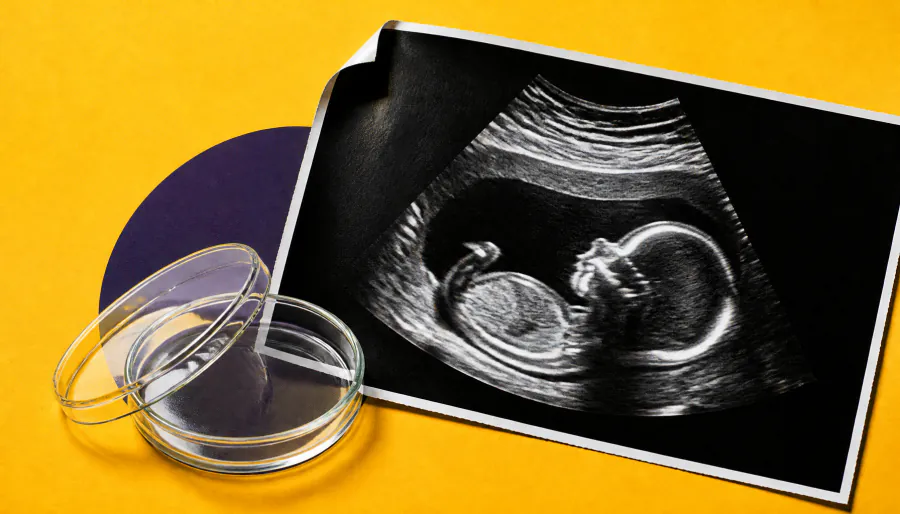
Autism's earliest roots might lie in the placenta, not just the brain. A new study from Cold Spring Harbor Laboratory found that inflammation during pregnancy damages specialized placental cells in male mouse fetuses, triggering autism-like traits — while females remained unaffected. The discovery could help explain why autism is diagnosed far more often in boys and open doors to earlier interventions.
Autism's earliest roots might lie in the placenta, not just the brain. Researchers at Cold Spring Harbor Laboratory (CSHL) found that triggering an immune response in pregnant mice — mimicking a viral infection — caused developmental abnormalities in male fetuses but left females unaffected. The critical window? Just 12.5 days into pregnancy, when roughly one-third of exposed fetuses showed signs of disruption within 24 hours.
The culprit appears to be damage to specialized placental cells called spongiotrophoblasts, which normally help the mother's immune system tolerate the genetically distinct fetus. When inflammation disrupts these cells, the maternal immune response may begin harming fetal development. Strikingly, this sex-based difference emerged before hormonal surges or brain sexual differentiation — suggesting a very early biological divergence.
Key Takeaways:
Why it matters: These findings, while from mouse models, suggest that autism's origins may be detectable and potentially addressable far earlier in development than previously thought — shifting focus toward the placenta as a key player in neurodevelopmental risk.