Turn on cookies to sign in
Signing in saves your progress to your Curie account. We can only do that with cookies on — turn them on to continue.
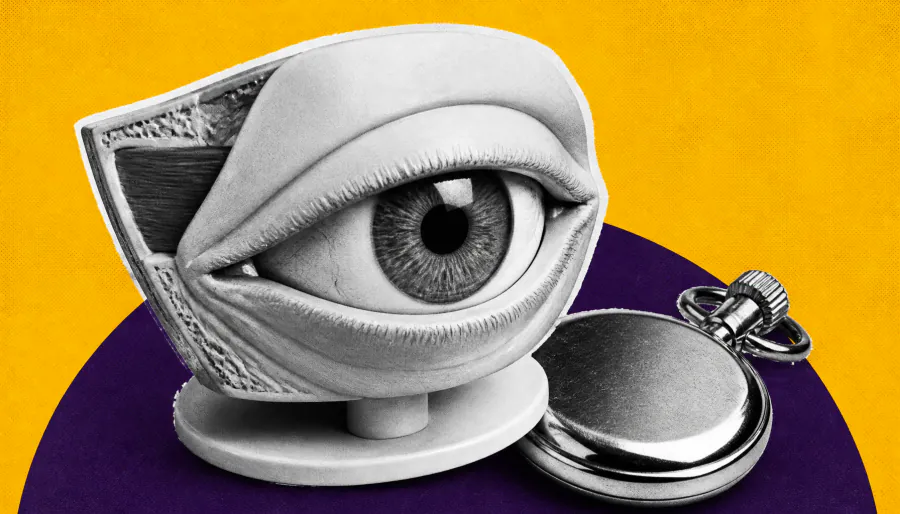
Don't overlook the eyelids. Ophthalmologist Paul B. Johnson, MD, makes the case for a quick, seven-step periocular exam that takes just one minute but can uncover conditions ranging from early malignancies to the true cause of chronic dry eye. Small findings around the eye, he argues, can dramatically change how patients are managed.
Don't overlook what's right in front of you
Ophthalmologists are trained to look into the eye — but Dr. Paul B. Johnson argues that some of the most important clinical findings live just a few millimeters outside it. He's developed a simple, seven-step "60-second lid exam" designed to be incorporated into every patient encounter, regardless of the chief complaint. The goal isn't a full oculoplastics workup — it's building a habit of intentional observation of the periocular tissues.
The exam follows a logical sequence: observing facial symmetry, evaluating eyelid position, assessing blink and closure, examining the lid margin, inspecting periocular skin, checking lid-globe apposition, and asking whether the lids are actually protecting the eye. Each step takes seconds but can surface findings that would otherwise go entirely unnoticed.
Key Takeaways
Why it matters: Many lid conditions — from lagophthalmos to ectropion to early skin cancers — go undetected because patients don't know to report them. A one-minute structured exam can catch these incidental but clinically significant findings, improving outcomes and strengthening patient trust.