Turn on cookies to sign in
Signing in saves your progress to your Curie account. We can only do that with cookies on — turn them on to continue.
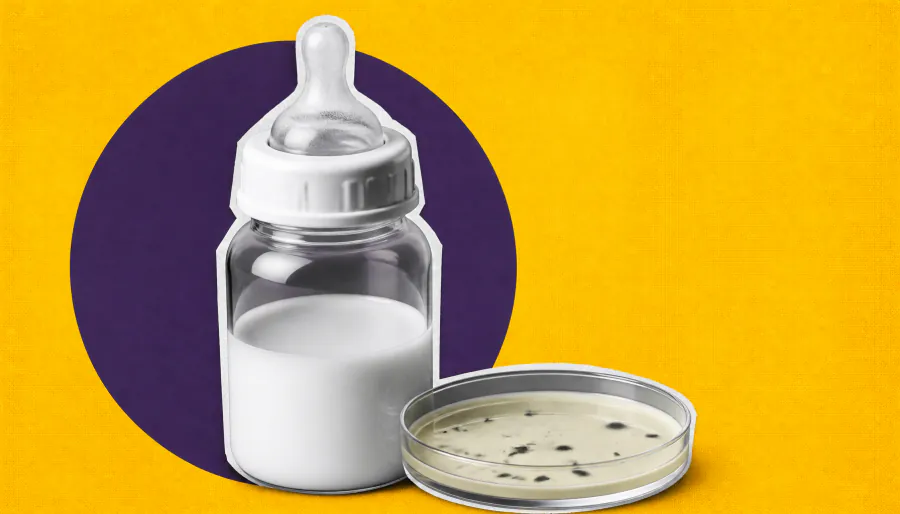
Scientists have identified a surprising new role for an enzyme called PNGaseA — it helps beneficial Bifidobacterium bacteria in infant guts unlock key sugars found exclusively in breast milk. Published in Nature Communications, the discovery sheds light on why breast milk supports a healthier infant microbiome than formula, and could guide the development of better prebiotics for formula-fed babies.
Scientists at the University of Birmingham have uncovered a surprising new function for an enzyme called PNGaseA — typically known for recycling cell components in plants and animals — revealing it plays a key role in how beneficial gut bacteria feed on nutrients in breast milk. The findings, published in Nature Communications, offer a deeper look into the complex relationship between breast milk and the infant gut microbiome.
Specifically, certain species of Bifidobacterium — bacteria critical to a healthy infant gut — produce PNGaseA to access sugars attached to short protein chains (N-glycopeptides) found in human breast milk. Crucially, these sugars are absent in infant formula, helping explain why breastfed babies tend to develop a richer, more beneficial microbial community.
Key Takeaways:
Why it matters: For the millions of infants who aren't breastfed, this discovery opens a promising path toward formula that better supports healthy gut development — a foundational factor in long-term immune and metabolic health.