Turn on cookies to sign in
Signing in saves your progress to your Curie account. We can only do that with cookies on — turn them on to continue.
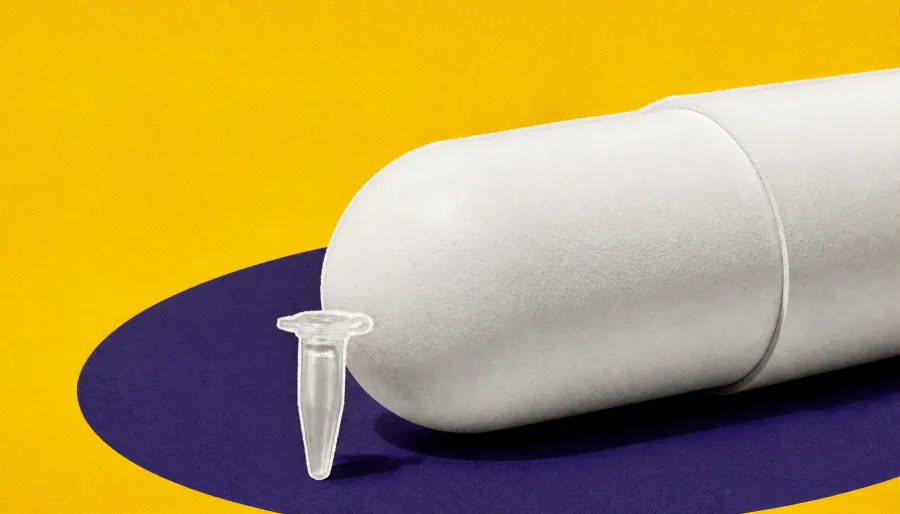
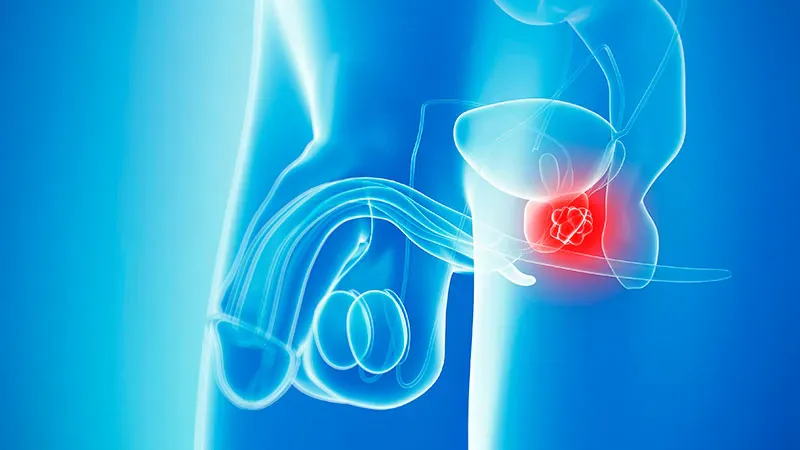
A new study published in Nature has uncovered a surprising molecular culprit behind treatment resistance in advanced prostate cancer: a tiny RNA molecule called tRNAArg (UCU)-1. When levels of this molecule drop, cancer cells can transform into a more aggressive, therapy-resistant form. The good news? Restoring it in lab models brought drug sensitivity back.
Researchers at the University of Chicago and Fred Hutchinson Cancer Center have identified a previously unknown biological mechanism that drives treatment resistance in advanced prostate cancer — and it all comes down to a small RNA molecule. Published in Nature, the study found that a transfer RNA called tRNAArg (UCU)-1 acts as a molecular switch: when its levels fall, prostate cancer cells lose their dependence on androgen signaling and morph into a more aggressive, treatment-resistant form known as neuroendocrine prostate cancer.
The team traced a chain reaction: low tRNAArg (UCU)-1 → reduced SMARCC2 protein → disrupted cell identity → therapy resistance. Crucially, when researchers restored tRNAArg (UCU)-1 or SMARCC2 in resistant cells, the cells regained sensitivity to standard androgen receptor-targeted drugs. Two proteins — TARDBP and ZSCAN29 — were also identified as key regulators keeping this tRNA active.
Key Takeaways:
Why it matters: Prostate cancer is the second-leading cause of cancer death in American men, and treatment resistance remains its biggest obstacle. This discovery points toward an entirely new class of RNA-based therapies that could restore drug sensitivity without needing new drugs.