Turn on cookies to sign in
Signing in saves your progress to your Curie account. We can only do that with cookies on — turn them on to continue.

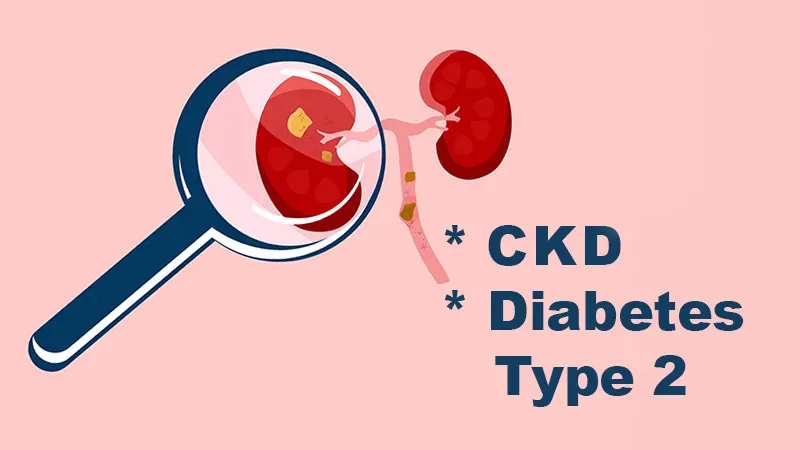
GLP-1 drugs are being prescribed more often to cancer patients with type 2 diabetes, but who gets them depends more on metabolic health than cancer status. A large Medicare study found use jumped from 0.5% to 8.2% in cancer patients between 2010 and 2022. However, disparities by race, ethnicity, cancer type, and socioeconomic status reveal significant gaps in equitable access.
GLP-1 receptor agonists (GLP-1RAs) are increasingly making their way into the treatment plans of cancer patients with type 2 diabetes. A large retrospective study published in JAMA Network Open analyzed Medicare data from over 373,000 cancer patients with type 2 diabetes and found that GLP-1 use surged from 0.5% to 8.2% between 2010 and 2022 in the traditional Medicare program.
Prescribing decisions appear to be driven by metabolic factors — like obesity, kidney disease, and neuropathy — rather than cancer status itself, suggesting clinicians are applying standard diabetes management principles. But the picture isn't entirely even. Patients with advanced-stage cancer, pancreatic cancer, or those who are older, Black, Hispanic, or from lower-income areas were significantly less likely to receive these medications.
By the Numbers:
Why it matters: Cancer patients have largely been excluded from major GLP-1 clinical trials, leaving a critical evidence gap. This study highlights both the growing real-world use of these drugs in oncology settings and the structural inequities that may be limiting access for the most vulnerable patients.