Turn on cookies to sign in
Signing in saves your progress to your Curie account. We can only do that with cookies on — turn them on to continue.
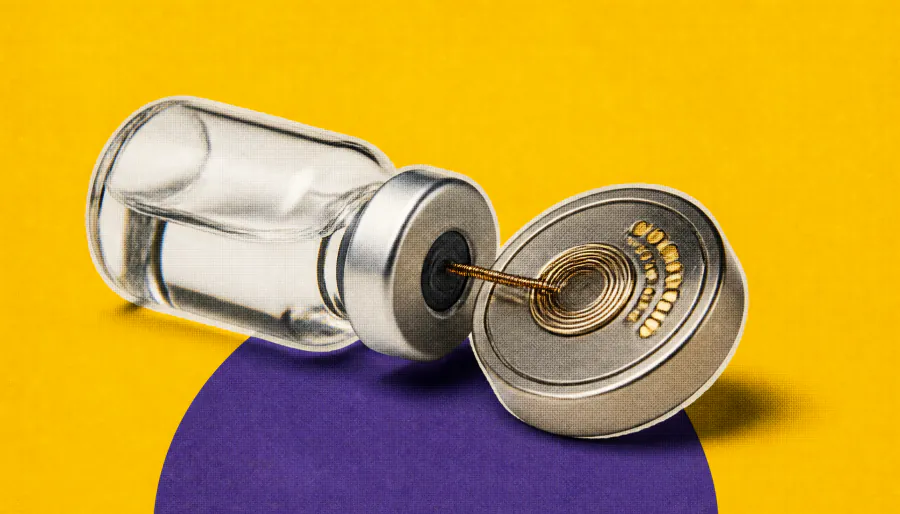
A new electronic implant could shake up type 2 diabetes treatment by ditching drugs entirely. Developed by ETH Zurich researchers, the device uses electricity to convert excess blood sugar into a waste product the body flushes out through urine. In diabetic mice, it regulated blood sugar and triggered weight loss over six weeks — all without insulin or traditional medications.
Researchers at ETH Zurich have developed an electronic implant that could fundamentally change how type 2 diabetes is managed. Instead of using insulin or drugs to help the body process glucose, the device takes a more direct approach: it converts excess blood sugar into gluconate — a harmless substance the body eliminates through urine — using an electrically powered catalyst made entirely from inorganic materials (graphite felt, gold, and platinum nanoparticles). No living cells, no enzymes, no biologics.
The system works in a closed loop: a standard glucose sensor monitors blood sugar levels, and when they spike — say, after a meal — a smartphone or smartwatch wirelessly activates the implant to start converting glucose. Once levels normalize, it shuts off automatically. In diabetic mice, the device reliably controlled blood sugar and led to weight loss over six weeks, with no signs of tissue damage.
By the Numbers:
Why it matters: Current diabetes treatments manage glucose but don't eliminate the excess energy problem — which is partly why some patients keep gaining weight despite treatment. This implant could address both issues simultaneously, and because it relies on commercially available wireless tech, scaling it up may be more feasible than traditional biotech approaches. Human trials are the critical next step.