Turn on cookies to sign in
Signing in saves your progress to your Curie account. We can only do that with cookies on — turn them on to continue.
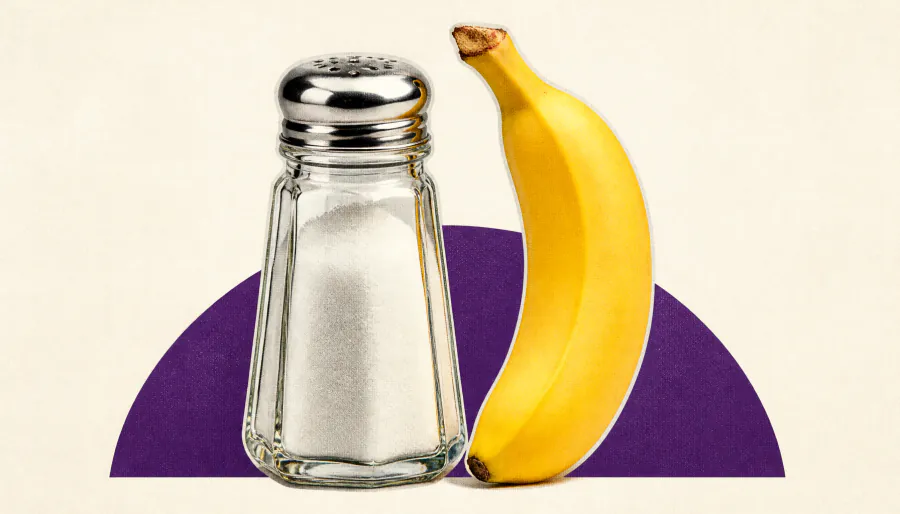
The "eat less salt" advice for high blood pressure may only be telling half the story. A new report in the American Journal of Clinical Nutrition argues that boosting potassium intake is just as important as cutting sodium for controlling hypertension. Researchers say addressing both nutrients together could meaningfully reduce cardiovascular risk for the 1.28 billion adults worldwide living with high blood pressure.
For decades, the go-to advice for managing high blood pressure has been simple: put down the salt shaker. But a new scientific report says that's only half the picture. Researchers are calling for updated dietary guidelines that give equal weight to increasing potassium intake alongside reducing sodium — a combined approach they say could deliver stronger results for the more than 1.28 billion adults worldwide living with hypertension.
The science behind it makes sense: sodium causes the body to retain fluid, raising pressure in blood vessels, while potassium helps the kidneys flush out excess sodium and supports healthy vessel function. The problem? Most people are consuming too much sodium and far too little potassium — a double whammy for blood pressure that current guidelines largely overlook.
Key Takeaways:
Why it matters: Hypertension is one of the leading drivers of heart attacks and strokes globally. Expanding dietary guidance beyond sodium reduction to actively promote potassium consumption could be a simple, low-cost lever to improve cardiovascular outcomes at a population scale.