Turn on cookies to sign in
Signing in saves your progress to your Curie account. We can only do that with cookies on — turn them on to continue.
OMT isn't just for the outpatient clinic anymore. Emergency medicine physician Dr. Brie Howerton makes the case for using osteopathic manipulative treatment (OMT) across all care settings — from the ED to the ICU. By working hands-on techniques into routine exams, she says clinicians can offer faster pain relief without adding time to their visits.
Osteopathic manipulative treatment (OMT) has long been associated with outpatient family medicine, but emergency physician Dr. Brie Howerton is pushing to change that perception. Speaking at the annual OMED conference in Las Vegas, she argued that OMT — which uses stretching, pressure, and resistance techniques to realign bones, muscles, and improve circulation — has a meaningful role in emergency, inpatient, and ICU settings alike.
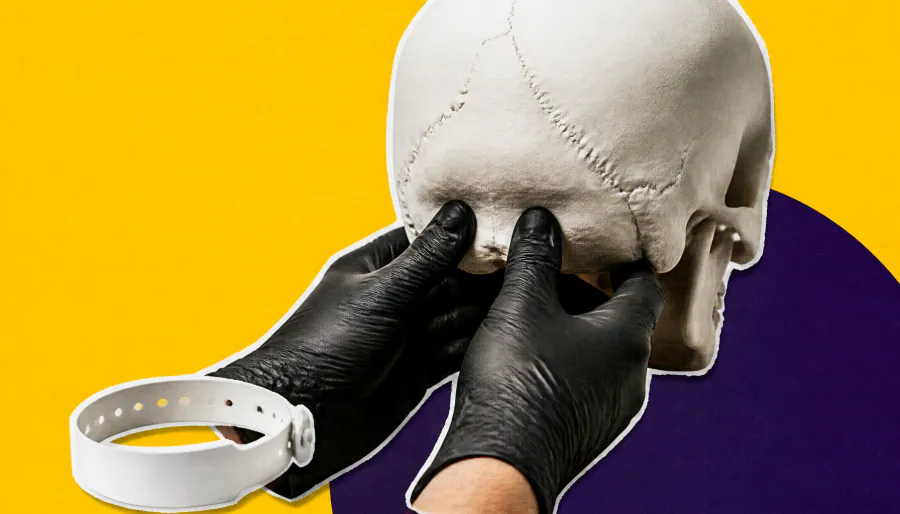
In the ED, Howerton finds OMT especially useful for musculoskeletal complaints like headaches, neck pain, and back pain. Her go-to technique, suboccipital release, targets the muscles and cervical spine to relieve tension and nerve compression. Beyond pain, she highlights OMT's utility in post-surgical ileus (using lymphatic drainage and nerve stimulation to get bowels moving) and in ICU patients, where improving lymphatic flow can help combat stagnant inflammation and infection.
Key Takeaways:
Why it matters: With ED wait times and patient volumes still strained in the post-COVID era, OMT offers clinicians a tool to provide immediate, hands-on relief — no pharmacy delay required. For DOs especially, it's a reminder that a skill learned in med school can be a practical, billable asset across virtually every care setting.