Curie Brief
Turn on cookies to sign in
Signing in saves your progress to your Curie account. We can only do that with cookies on — turn them on to continue.
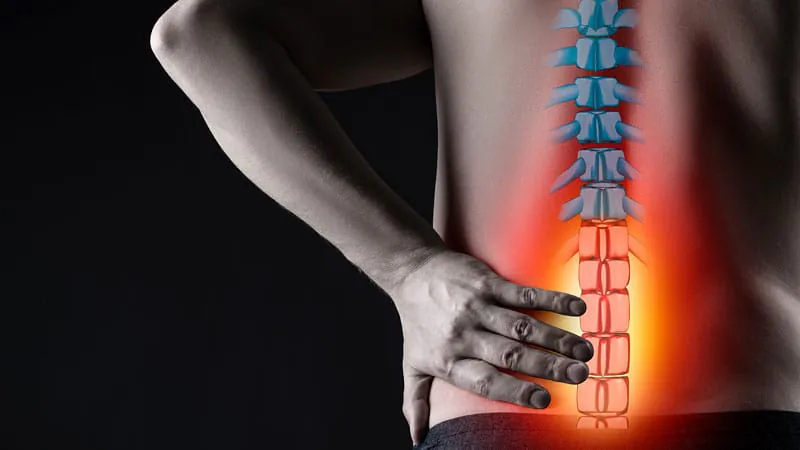
New guidelines from the American Academy of Pain Medicine are pushing a "less is more" approach to acute low back pain — think heat, movement, and OTC meds before anything stronger. The guidance discourages routine opioid prescribing and imaging for most patients. The goal: empower patients to manage recovery themselves while reducing costly and risky interventions.
The American Academy of Pain Medicine has released new guidelines for managing acute low back pain, and the message is clear: start simple. Published in the journal Pain Medicine, the guidance encourages clinicians to lead with patient education, low-impact movement, heat therapy, and over-the-counter NSAIDs before escalating to more intensive treatments. Bed rest, it turns out, is more likely to slow recovery than speed it up.
If symptoms don't improve after two weeks of self-management, clinicians can step up to prescription NSAIDs, muscle relaxants, physical therapy, or acupuncture. Opioids are explicitly discouraged as a routine first-line option — a stance that aligns with broader efforts to curb overprescribing in the wake of the opioid crisis. Routine imaging is also not recommended for uncomplicated cases lasting under six weeks.
By the Numbers:
Why it matters: Low back pain is one of the most common and costly conditions in the U.S., yet many treatments carry significant risks. These guidelines give clinicians a clear, evidence-based roadmap that prioritizes patient empowerment and safety — while helping curb opioid misuse and unnecessary healthcare spending.