Turn on cookies to sign in
Signing in saves your progress to your Curie account. We can only do that with cookies on — turn them on to continue.
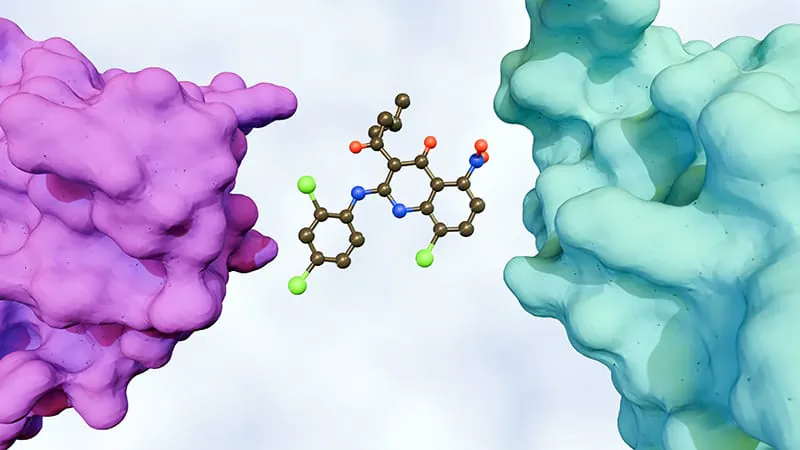
A new oral MS drug shows real promise. Remibrutinib, a BTK inhibitor from Novartis, reduced annualized relapse rates by 35% and 31% compared to the standard-of-care teriflunomide in two large phase 3 trials. It also slashed new brain lesions by up to 70% — and unlike other BTK inhibitors, it raised no liver safety red flags.
A new oral MS therapy is turning heads. Remibrutinib, Novartis's investigational BTK inhibitor, outperformed teriflunomide — the current standard of care — in two identical phase 3 trials (REMODEL-1 and REMODEL-2), significantly reducing relapse rates and inflammatory brain lesions in patients with relapsing multiple sclerosis. The results were presented at ECTRIMS-ACTRIMS 2026 and simultaneously published in The Lancet.
The efficacy story is compelling, though not without caveats. Remibrutinib reduced annualized relapse rates by 35% and 31% respectively, translating to roughly one relapse every 13 years. MRI activity dropped dramatically — new or enlarging T2 lesions fell by 65–70%, and gadolinium-enhancing lesions by ~66%. A benefit in disability progression was suggested, but the 3-month confirmed disability progression endpoint didn't reach statistical significance (though 6-month CDP did). Novartis plans to seek global regulatory approval for the drug in relapsing MS.
By the Numbers:
Why it matters: BTK inhibitors have been a promising but troubled MS drug class — liver toxicity has been a recurring concern. Remibrutinib's clean liver safety profile sets it apart and could make it a meaningful new oral option for the ~85% of MS patients with the relapsing form of the disease.