Turn on cookies to sign in
Signing in saves your progress to your Curie account. We can only do that with cookies on — turn them on to continue.
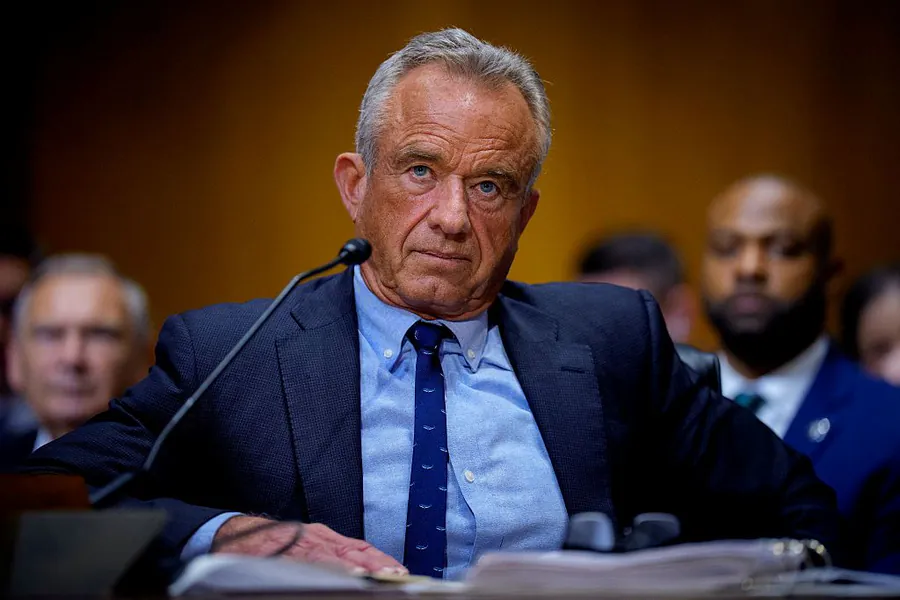
RFK Jr.'s HHS is easing enforcement on six popular wellness peptides, allowing pharmacies and physicians to compound them without federal penalty — for now. The move follows an FDA advisory panel's summer recommendation to add the compounds to an approved substances list. Supporters say it curbs a dangerous gray market; critics call it reckless and premature.
HHS Secretary Robert F. Kennedy Jr. has issued an "enforcement discretion policy" that clears the way for pharmacies, physicians, and federal facilities to compound six wellness peptides — BPC-157, epitalon, KPV, MOTS-c, semax, and TB-500 — without facing federal enforcement action. The move stops short of formally approving the compounds but signals a significant shift in how the federal government treats these increasingly popular substances.
The decision follows a July FDA Pharmacy Compounding Advisory Committee (PCAC) meeting, where panelists voted to recommend adding the six peptides to the 503A Bulk Drug Substances list. That vote was advisory, not binding, and the peptides remain unapproved. Kennedy cited strong patient demand and a lack of approved alternatives as key justifications.
Key Takeaways:
Why it matters: Millions of patients are already sourcing these peptides through unregulated channels. Proponents argue this policy creates a safer, more accountable supply chain — but without formal FDA approval, questions about safety, efficacy, and regulatory consistency remain wide open.